Short of Breath After Just Two Steps? Hypertensive Patients, Beware—It Could Be a Sign of Heart Failure! Doctors Explain How to "Reverse" the Condition
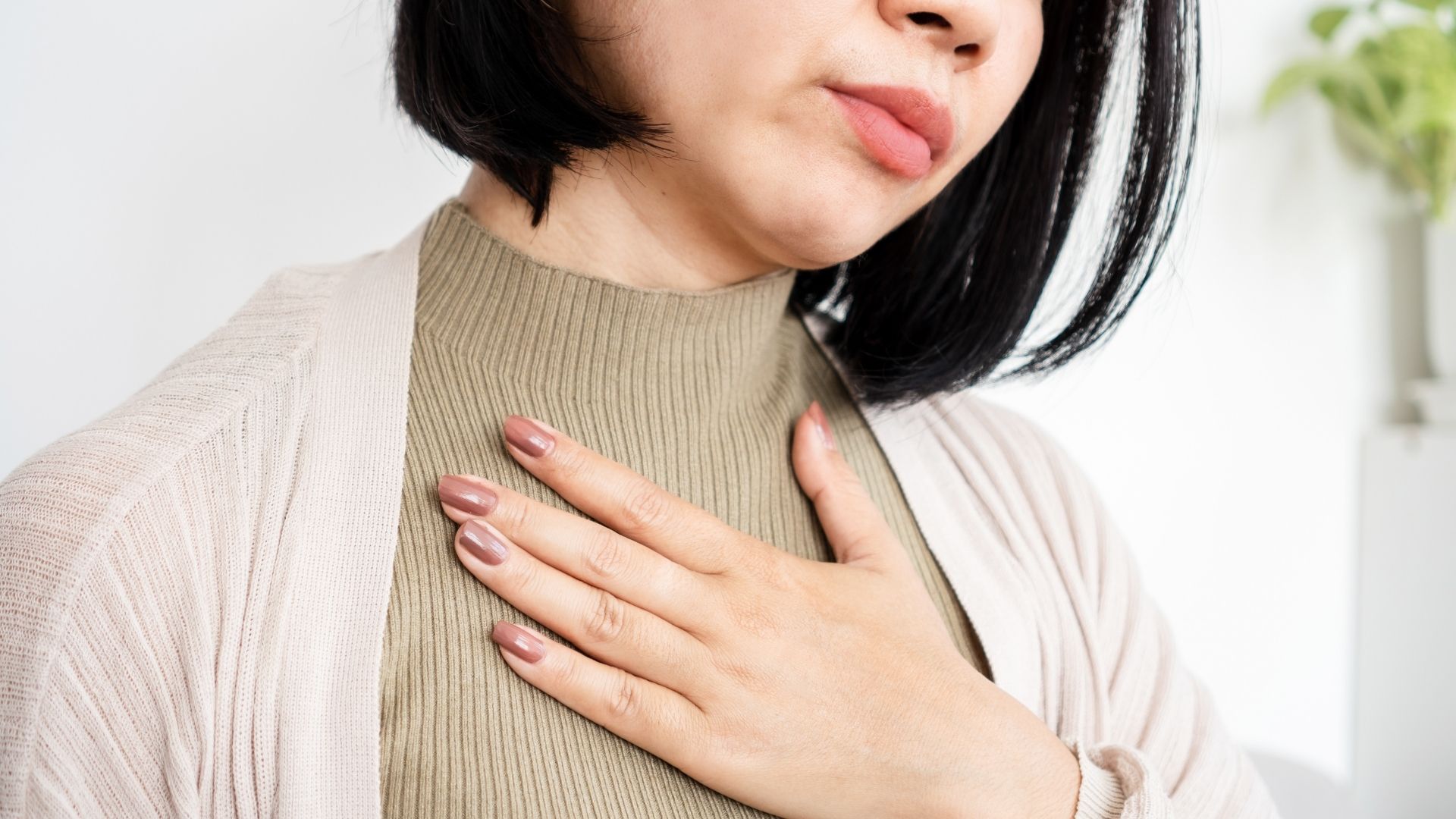
Many middle-aged individuals in Hong Kong, often the economic pillars of their families, are accustomed to hard work. They frequently attribute their declining physical fitness and increasing shortness of breath to "middle-aged weight gain" or "lack of exercise." Some may even notice they feel breathless when lying flat at night, needing to elevate two pillows for comfort, mistakenly thinking it’s just sensitivity in their airways.
In reality, these subtle changes in daily life may be urgent signals from the heart—heart failure. However, heart failure does not mean the heart is “about to stop beating”; rather, it indicates a manageable chronic condition. With advancements in medicine, timely intervention could even allow for the "reversal" of damaged heart function.
Why Does the Heart “Fail”?
To understand heart failure, envision the heart as a powerful "pump."
Under normal circumstances, this pump effectively circulates oxygenated blood to all organs. However, when the heart muscle becomes damaged or stiff for various reasons, the "pump" loses power, leading to two main issues:
- Pump Failure (Decreased Output): Organs do not receive enough blood, causing fatigue and cold extremities.
- Blood Backflow (Like Traffic Congestion): When the pump cannot circulate blood effectively, it can lead to a backup, similar to a traffic jam, accumulating in the lungs or lower limbs.
This explains why heart failure patients experience “shortness of breath” and “leg swelling.” Because this is a structural and functional “mechanical issue,” merely exercising more or practicing breathing techniques cannot resolve it.
Who Are the Culprits Behind a Malfunctioning Heart Pump?
The heart does not fail without a reason. Any disease that damages the heart muscle or increases its workload can eventually result in heart failure. In addition to well-known high blood pressure, common culprits include:
- Coronary Artery Disease (CAD): This is the most prevalent cause. When blood vessels supplying nutrients to the heart (coronary arteries) become blocked, the heart muscle suffers from inadequate blood flow, undermining its pumping capacity.
- High Blood Pressure: Often dubbed the “silent killer,” prolonged high blood pressure forces the heart to work against significant resistance. To handle the extra burden, the heart muscle first thickens (hypertrophy) and, eventually, may deform, enlarge, and weaken due to overexertion.
- Myocardial Infarction (Heart Attack): A sudden blockage in a blood vessel can lead to permanent damage and scarring of a portion of the heart muscle. These necrotic muscle cells cannot contract, directly impairing heart function.
- Diabetes: High blood sugar levels can directly harm the nerves and blood vessels of the heart. Diabetic patients have a significantly increased risk of developing heart failure and may even experience painless myocardial ischemia.
- Valvular Heart Disease: Heart valves function like "doors." If these valves do not open adequately (narrowing) or do not close properly (regurgitation), the heart must work harder to maintain blood flow, which can lead to exhaustion over time.
- Cardiomyopathy: This refers to direct changes in the heart muscle, such as genetic conditions like dilated or hypertrophic cardiomyopathy.
- Other Factors: These include hyperthyroidism or hypothyroidism, severe anemia, long-term alcohol abuse, or viral infections (such as myocarditis).
Don't Wait Until You Can’t Breathe
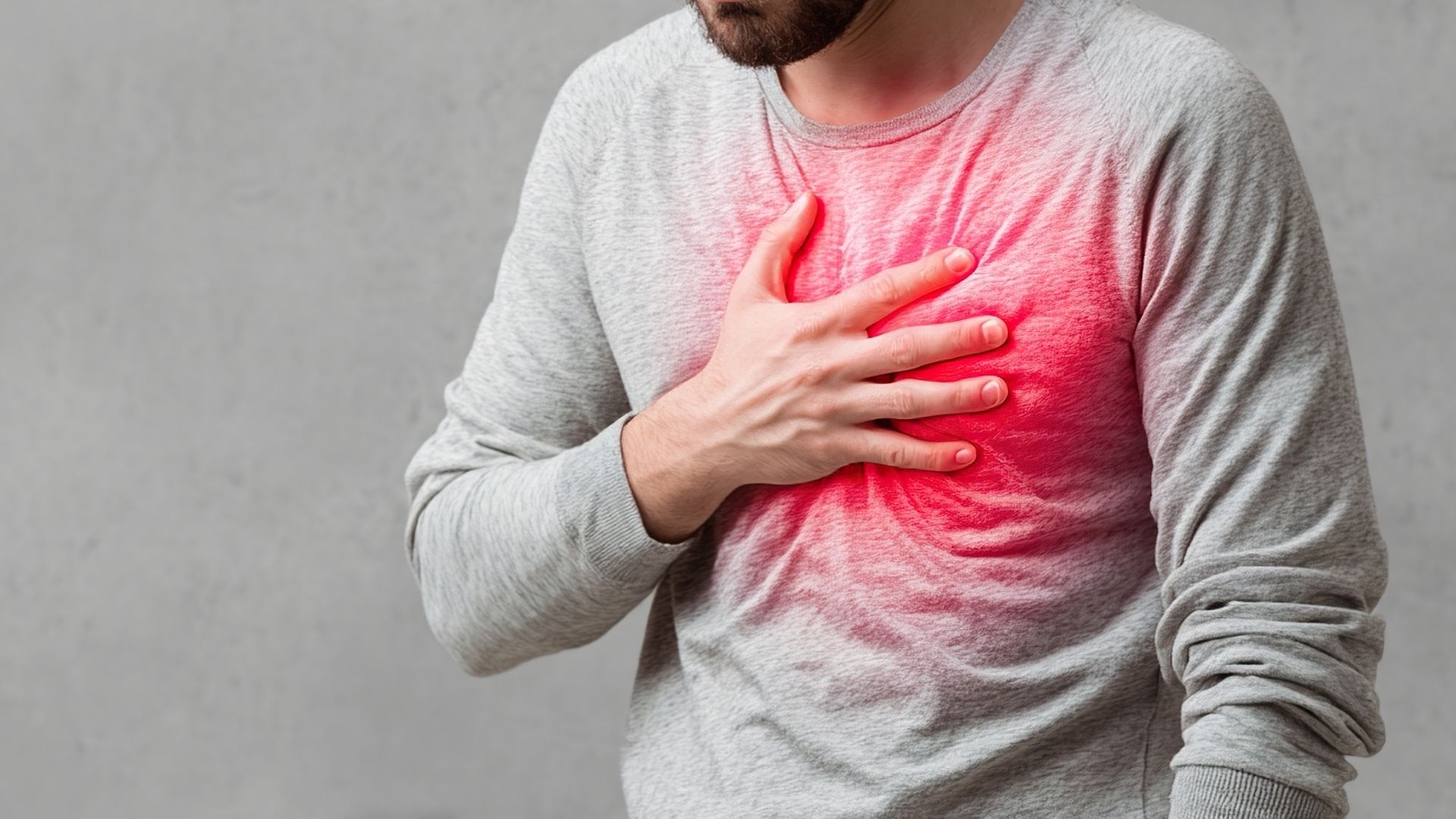
Many patients wait until they experience “orthopnea” (shortness of breath while lying flat) or are abruptly awakened by breathlessness at night to rush to the emergency room. By this point, pulmonary congestion may have already occurred.
If you belong to a high-risk group (such as those with high blood pressure, diabetes, or coronary artery disease), pay attention to the following early warning signs:
- Decreased Exercise Tolerance: What used to be a walk of two blocks may now leave you breathless after just half a block.
- Persistent Dry Cough: Especially worsened when lying down, severe cases can even produce pink-tinged frothy sputum.
- Abnormal Swelling: Pressing the ankles or fronts of the lower legs may leave a deep indentation that returns slowly; alternatively, rapid weight gain (e.g., gaining 2 kg in 3 days) can occur due to fluid retention rather than obesity.
- Loss of Appetite and Abdominal Distention: Blood backflow can also impact the liver and gastrointestinal tract, leading to a feeling of bloating.
Classification of Heart Failure Severity
Clinically, doctors use the New York Heart Association (NYHA) functional classification to categorize heart failure severity into four classes:
Class I: No limitations on physical activity.
- Patients experience no symptoms during normal activities (e.g., climbing stairs, doing household chores).
Class II: Mild limitations on physical activity.
- No discomfort at rest; however, ordinary activities (e.g., brisk walking, running for a bus, climbing two flights of stairs) can lead to symptoms like shortness of breath, rapid heartbeat, or fatigue.
Class III: Significant limitations on physical activity.
- Even slight movements (e.g., walking on flat surfaces indoors, showering, dressing, brushing teeth) can induce discomfort or fatigue, with relief occurring only during rest.
Class IV: Severe limitations.
- Symptoms manifest even at rest, while lying down or sitting.

A Ray of Hope: Heart Function Can be “Reversed”
Historically, heart failure was viewed as irreversible degeneration. However, modern medicine has shown that early intervention can improve heart structure and function, potentially leading to "reduction" back to a healthier state.
Three Key Treatment Pillars:
- Breakthroughs in Medication: Recent heart failure medications (e.g., ARNI, SGLT2 inhibitors, beta-blockers) have proven effective in reducing mortality and improving heart function.
- Device Assistance: For patients with severe arrhythmias or asynchronous heart contractions, implantable cardioverter-defibrillators (ICDs) or cardiac resynchronization therapy (CRT) can be life-saving.
- Targeted Treatment for Underlying Causes: If the issue arises from vascular blockage, angioplasty may be performed; if it involves valve problems, repair or replacement can directly address the root causes, allowing the heart to "rest and recover."
A diagnosis does not equate to a terminal condition. With proper medical treatment, many patients can reclaim their normal lives.
Prevention is Better Than Cure: Dietary Strategies and Lifestyle Management
Whether for prevention or control, lifestyle changes are critical.
-
1. Sodium Management (Low Sodium): Sodium is a major enemy of the heart; it acts like a sponge, retaining water in blood vessels and increasing the heart's workload.
- Recommendation: Daily sodium intake should be kept below 1,500 mg (approximately 1 teaspoon of salt).
- Caution: Beware of "hidden salt" in snacks, instant noodles, processed meats, and some breads. Opt for natural spices (garlic, green onion, lemon juice) instead of soy sauce and salt.
-
2. Fluid Control: Monitor intake and output. Patients with severe heart failure (especially those with swelling and shortness of breath) need to limit their water intake.
- General Recommendation: Daily fluid intake (including drinks, soups, teas, and the moisture from fruits) should be restricted to 1.5 to 2 liters.
- Tip: If feeling thirsty, sip small amounts of water or add lemon to water or drink iced water to quench thirst, avoiding excessive consumption at once.
Conclusion
If you or someone close to you has high blood pressure, diabetes, or a history of cardiovascular disease and experiences unexplained shortness of breath or swelling, please seek a cardiac examination as soon as possible.
Heart failure is not the end. With timely diagnosis, precise treatment, and lifestyle management, we can protect the heart and turn the situation around.
Frequently Asked Questions (FAQ)
-
Q1: If I have heart failure, will I never be able to exercise again?
A: Absolutely not. Once stable, moderate exercise (like walking, jogging, or tai chi) can improve cardiovascular function and overall prognosis. However, it must be done gradually and under the guidance of a doctor or physical therapist, avoiding intense or explosive activities (like weightlifting).
-
Q2: Is heart failure hereditary?
A: This depends on the underlying cause of the heart failure. In simple terms, heart failure results from compromised heart function rather than being a single disease. If the cause is “familial cardiomyopathy” (such as hypertrophic or dilated cardiomyopathy), there may indeed be a hereditary aspect, with symptoms potentially manifesting at a young age. Additionally, common risk factors for heart failure—such as high blood pressure, diabetes, and high cholesterol—are often linked to genetic predisposition and shared family dietary habits. Therefore, if your immediate relatives (parents or siblings) have experienced early-onset heart disease or heart failure, your risk may be higher, and early screening is recommended.
-
Q3: If I am slim, does that mean I won’t have heart failure?
A: Being slim does not guarantee immunity from heart issues. Some individuals may appear thin but have a high level of visceral fat, which can still strain the cardiovascular system. Additionally, there are numerous causes of heart failure unrelated to obesity—such as valvular heart disease, severe arrhythmias, virus-induced myocarditis, and even congenital heart structural issues—which can affect individuals of normal or even slim build.
Updated: 2026‑02
Disclaimer: The health information on this website has been reviewed by doctors from Chiron Medical Group. The above content is for general reference only and should not be regarded as medical advice. It is not a substitute for consultation with qualified healthcare professionals about your personal health condition.