[Gynaecological Checkup Guide] How Often Should You Get Examined? Complete Breakdown of 5 Essential Procedures + High-Risk Group Self-Assessment (Includes Pre-Examination Preparation Checklist)
Many women in Hong Kong feel both familiar and unfamiliar with "gynaecological checkups," and may even harbor some reluctance. Questions like, "If I’m not feeling unwell, do I really need to get checked?" and "I’ve heard that vaginal speculum exams can be painful, which deters me..." are common. However, gynaecological examinations are not solely about "finding diseases"; they often provide "peace of mind." With increasing stress levels in modern women's lives, late marriages, and even infertility becoming more prevalent, the rising trend of younger women facing gynaecological issues cannot be ignored.
This article compiles a comprehensive "Gynaecological Checkup Guide," covering high-risk groups, examination frequencies, and revealing the processes of the 5 major examinations of interest, along with a necessary checklist for preparation before the checkup.
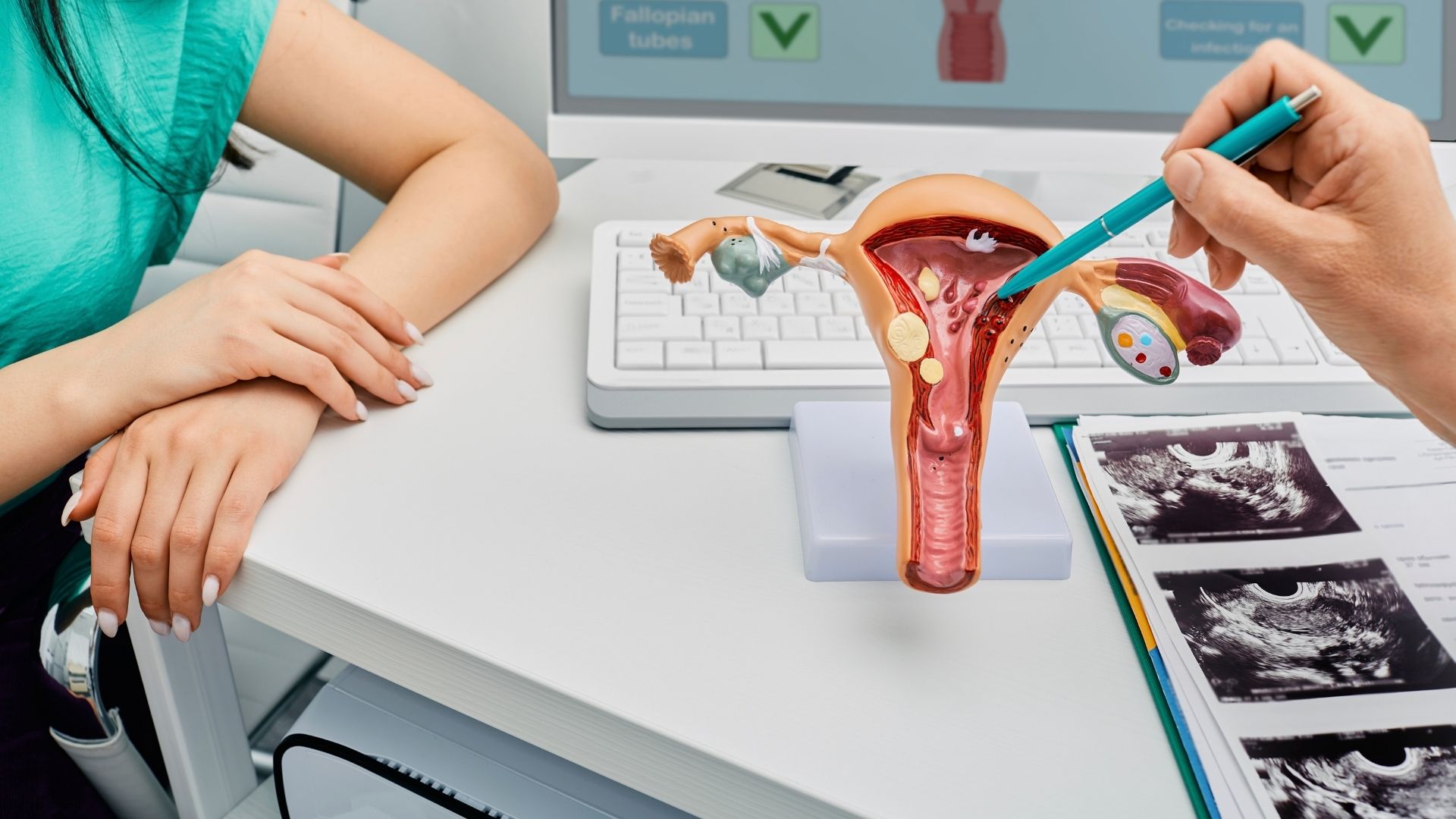
4 High-Risk Groups for Gynaecological Diseases
Many women mistakenly think that only those experiencing "menopause" need to worry about gynaecological diseases. This is a misconception. If you fall into any of the following categories, you should pay special attention and follow your doctor's advice for regular gynaecological checkups:
1. Family History of Cancer
Genetic factors play a significant role in gynaecological cancers. If your direct relatives (mother or sisters) have had breast cancer, ovarian cancer, or uterine cancer, your risk of developing these diseases is higher than average. Individuals with BRCA1 or BRCA2 gene mutations should begin monitoring earlier.

2. Age 30 or Older or Have Had Sexual Experience
According to data from the Hong Kong Centre for Health Protection, cervical cancer is one of the most common cancers among women in Hong Kong (Note 1), strongly associated with persistent HPV infection. Anyone who has engaged in sexual activity (regardless of age) is at risk. Additionally, after age 30 is a peak period for conditions such as fibroids and endometriosis (chocolate cysts).
[Note1] https://www.chp.gov.hk/tc/healthtopics/content/25/56.html
3. High-Risk Lifestyle Habits
- Smokers: Smoking weakens the immune system, making it harder to eliminate the HPV virus and increasing the risk of cervical cancer.
- Chronic Stress and Irregular Schedules: This can easily lead to hormonal imbalances.
- Obesity or High-Fat Diet: Excess fat in the body is converted into estrogen, which can overstimulate the endometrium and increase the risk of endometrial cancer.

4. Body Signalling Warnings
If you experience any of the following symptoms, do not wait for your "regular checkup"; seek medical advice immediately:
- - Irregular periods (excessively long, excessively short, or sudden heavy bleeding).
- - Bleeding outside of menstruation or after sexual intercourse.
- - Persistent lower abdominal pain or backaches.
- - Abnormal vaginal discharge (with odor or color changes).
How Often Should Gynaecological Checkups Be Done?
For generally asymptomatic women, we recommend the following frequencies:
- Basic Gynaecological Checkup (including pelvic ultrasound): While there is no consensus on the frequency of these checkups in the medical field, such checks are non-invasive, and ultrasounds don't involve radiation. It is generally accepted that they can be done annually to detect structural issues like cysts or fibroids early.
- Cervical Cancer Screening (Pap Smear): Recommended every 1 to 3 years. The Hong Kong government advises women aged 25 to 64 who have had sexual experience to have screenings every 3 years if the results are normal for two consecutive years. Many specialists also suggest that if financially feasible, it is safer to have annual checkups combined with gynaecological evaluations or to opt for a more accurate HPV DNA test (which can be done every 5 years).
Doctor's Breakdown: 5 Common Gynaecological Checkup Procedures and Processes
Much of the fear surrounding checkups stems from the "unknown." When you understand what the doctor will do next, your anxiety is likely to decrease. A typical comprehensive gynaecological checkup usually consists of the following 5 core parts:
1. Consultation
- Process: The doctor will ask about your menstrual cycle (regularity, pain, volume), pregnancy plans, contraceptive methods, family medical history, and prior surgical records.
- Purpose: This helps the doctor assess your potential risks and determine whether certain tests need to be prioritized.

2. Abdominal and Pelvic Examination
- - Process: The doctor will initially press on your lower abdomen to check for lumps or tenderness, followed by a vaginal examination using a speculum to gently open the vagina.
- - Purpose: This step allows for clear observation of the vaginal walls and cervix for inflammation, polyps, or abnormal changes.
Pain-Reduction Tip
Modern speculums are generally made of plastic and come in various sizes. When used with lubricant, if you take a deep breath and relax your pelvic muscles, the sensation is usually one of "mild pressure" rather than severe pain.
3. Cervical Cell Examination (Pap Smear)
- Process: Once the speculum has opened the vagina and the cervix is visible, the doctor will use a very small soft brush to gently rotate on the cervix's surface to collect cell samples. This process takes only a few seconds.
- Purpose: This screening checks for early changes or precancerous lesions in cervical cells, serving as the most effective line of defense against cervical cancer.
Advanced Testing
If the Pap smear report shows "abnormal" results or detects high-risk HPV, it indicates slight changes in the cells. Although this does not mean cancer, doctors generally recommend a colposcopy for further confirmation. This diagnostic check is simpler than you might think:
Step 1: Magnification
- Process: Similar to the Pap smear, the doctor will use a colposcope (an external optical magnifying device) to observe the cervix at magnifications of 10 to 40 times.
- Feeling: This is similar to a standard speculum check and typically does not increase discomfort.
Step 2: Staining
- Process: The doctor will apply a special solution (such as diluted acetic acid or iodine) to the cervix.
- Purpose: Abnormal cells will change color when exposed to the solution, assisting the doctor in identifying problematic areas.
- Feeling: You might experience a brief and mild tingling or cooling sensation while the solution is applied.
Step 3: Biopsy
- Process: If suspicious areas are observed during the colposcopy, the doctor will use forceps-like instruments to take a small piece of tissue the size of a sesame seed for testing.
- Feeling: This step is often feared, but the cervix is less sensitive than skin. Typically, you will feel a sensation akin to "an ant bite" or "mild cramps," usually requiring no anesthesia.
- Post-Procedure Care: You may experience light bleeding or dark discharge (from residual solution) for a few days after the exam. It is advisable to use pads and refrain from sexual activity and swimming until bleeding stops.
Pelvic Ultrasound
This procedure can assess the structure of the uterus and ovaries, and is primarily divided into two types:
Abdominal Ultrasound:
- Process: The probe is moved over the abdomen.
- Note: You need to have a full bladder (urgency) before the exam to help visualize the uterus. This is suitable for individuals without sexual experience.

Transvaginal Ultrasound:
- Process: A slender probe is inserted into the vagina for scanning.
- Advantages: This method allows for clearer imaging, capable of detecting small fibroids or ovarian cysts. You can empty your bladder prior to this procedure, making it generally more comfortable than the abdominal ultrasound. This is suitable for those with sexual experience.
Pre-Examination Preparation Checklist: Follow These 3 Tips to Ensure a Successful Visit
To ensure accurate examination results and a smoother process, please note the following before your appointment and on the day of the examination:
1. Choose the Right Timing
- The ideal time for an examination is 3 to 7 days after your period has completely ended.
- Reason: If the examination is conducted during your menstrual period or in the first few days, results may be affected by bleeding or discharge.
2. 24-48 Hours Before the Check-up: Follow the "Three No's" Principle
Before undergoing a Pap smear or HPV sampling:
- No sexual activity.
- No vaginal douching or medications.
- No spermicide or lubricants.
- Reason: To avoid affecting the accuracy of the examination.
3. Clothing Suggestions
- It is advisable to wear a two-piece outfit (top with skirt/pants) or an easy-to-remove dress.
- Avoid wearing clothing with too many buttons to reduce the awkwardness and hassle during changing.
4. Other Considerations
- Bring pads or panty liners.
- It is common to experience slight bleeding after a gynaecological examination (especially after a Pap smear), so using a pad can help prevent embarrassment.
Frequently Asked Questions (FAQ)
-
Q1: Do I still need a gynaecological checkup if I have no sexual experience?
A: For women without sexual experience, doctors typically do not perform vaginal examinations, Pap smears, or transvaginal ultrasounds. Instead, abdominal ultrasound (which requires a full bladder) will be used to check the health of the uterus and ovaries, possibly combined with a rectal examination if necessary.
-
Q2: Is a transvaginal ultrasound uncomfortable?
A: This is a common misconception. The probe used is quite slender (about 2 cm in diameter) and is covered with a protective sheath and lubricant. Additionally, you don't need to hold your bladder (the bladder should be relaxed). Most women report only a mild sensation of presence, but individual experiences can vary. However, discomfort should not deter you from getting a checkup. If you meet the age and conditions, regular gynaecological checkups are essential for early detection and management of issues.
-
Q3: I have stopped menstruating or am in menopause; do I still need gynaecological checkups?
A: Yes, the risk of ovarian cancer and endometrial cancer increases with age. After menopause, it is especially important to monitor the thickness of the uterus and ovaries through ultrasound, particularly if signs of "post-menopausal bleeding" appear, which is very concerning.
-
Q4: What happens if the examination report indicates abnormalities?
A: If the report shows abnormalities, the doctor will personally explain the situation to you and, if needed, refer you to a specialist or arrange for further treatment (such as a colposcopy or surgery).
Gynaecological examinations are not just a report; they reflect your commitment to caring for your body. Many gynaecological issues do not present obvious symptoms in their early stages, so regular checkups allow for "early detection and early treatment." Schedule your gynaecological checkup today to establish a defense for your health!
(Note: The above information is for reference only. The actual examination items should be determined by the doctor based on individual health conditions.)
Updated: 2025‑01
Disclaimer: The health information on this website has been reviewed by doctors from Chiron Medical Group. The above content is for general reference only and should not be regarded as medical advice. It is not a substitute for consultation with qualified healthcare professionals about your personal health condition.