In Hong Kong’s fast-paced working environment, office towers across Central and Quarry Bay are filled with hard-working professionals. You may well be one of them: sitting in front of a computer screen for more than eight hours each day, your right hand darting between mouse and keyboard while your left handles phone calls or flips through documents. Have you ever experienced a dull ache on the outer side of your elbow, or sudden arm weakness when lifting a hot cup of coffee?
If so, you may have developed tennis elbow, even if you have not set foot on a tennis court for years.
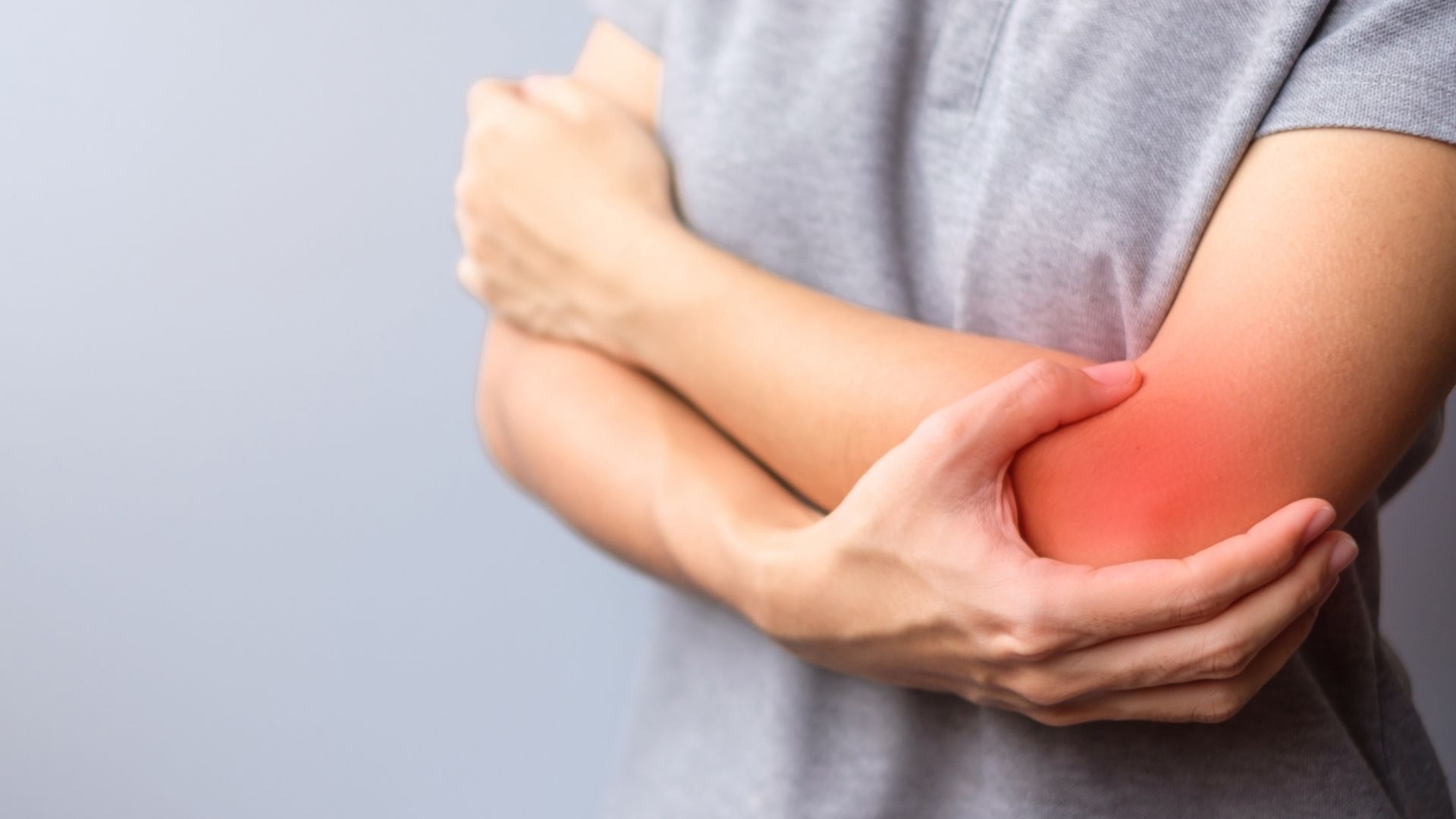
The formal medical term for tennis elbow is lateral epicondylitis. Though its name originates from injury sustained by tennis players due to faulty backhand technique, it has become an extremely common occupational overuse injury in modern-day society.
According to occupational-health research by Hong Kong’s Labour Department, repetitive wrist movements and sustained poor posture are major triggers for tendon inflammation. During computer work, forearm muscles — particularly the wrist-extensor group — stay continuously tensed. This creates micro-tears at the attachment site where tendons connect to elbow bone.
The human body normally carries out self-repair. However, office jobs demand frequent, prolonged repetitive motions. When injury accumulates faster than tissue can heal, chronic inflammation develops and tennis elbow sets in.
Many people believe only heavy lifting harms tendons and bones. Yet small, frequent movements can be equally damaging. Below are common office-related risk factors:

Tennis elbow seldom appears overnight; it develops gradually. Early-stage symptoms include mild aching over the outer elbow after long work hours, usually easing after a night’s rest.
If warning signs are ignored, the condition worsens:
Without professional assessment, chronic inflammation may progress to tendinosis (tendon degeneration) and even calcification, making treatment far more complex.
Prevention beats cure. Adjusting daily work posture is your first line of defence:

If pain persists despite posture adjustments, consult an orthopaedic specialist. Doctors make a clinical diagnosis and may order ultrasound scans to evaluate tendon damage severity.
Available treatments are diverse and increasingly minimally-invasive:
What is PRP? A well-known regenerative-medicine modality. The patient’s own blood is drawn and centrifuged to produce high-growth-factor plasma, which is injected into injured tendons to drive tissue repair and regeneration.
Your body is your most valuable asset. Look after the body that supports your working life. Do not dismiss elbow warning signs as ordinary fatigue. Timely posture correction and appropriate medical intervention can help you avoid tennis elbow and regain comfortable, pain-free workdays.
A: Mild symptoms may improve with sufficient rest. However, office workers cannot realistically stop computer use entirely, so repeated stress often prevents full recovery. Seek professional evaluation if pain lasts more than two weeks, to avoid chronic overuse injury.
A: Elbow straps (tennis-elbow compression bands) alter muscle pull points and reduce pressure at tendon attachments. Correct placement is critical: position the strap roughly two-finger widths below the painful elbow spot, not directly over the tender area. Use under guidance from qualified healthcare professionals.
A: Both are tendinopathies affecting different elbow sites. Tennis elbow causes outer-elbow pain linked to wrist extension. Golfer’s elbow affects the inner elbow and relates to wrist flexion. Tennis elbow is far more prevalent among office-based workers.
A: Ice therapy reduces inflammation and pain during acute flare-ups (redness, swelling, warmth, tenderness). Heat therapy improves circulation and eases stiffness in chronic phases. If you are unsure which stage applies to you, seek medical advice.
Last updated: August 2026
Disclaimer: Health-related content on this website has been reviewed by physicians at Chiron Medical Group. The information is for reference only and does not constitute medical advice. It cannot replace consultation with qualified healthcare professionals regarding your personal health conditions.