Many middle-aged or retired adults have experienced this unsettling moment: happily lifting an energetic grandchild, or carrying heavy groceries home from the market up the stairs, when the knee suddenly gives way without warning. Balance is lost and a fall feels imminent.
From an orthopaedic perspective, this sudden knee buckling is often an early warning sign of accelerated wear-and-tear of knee cartilage, and may signal the onset of knee osteoarthritis.
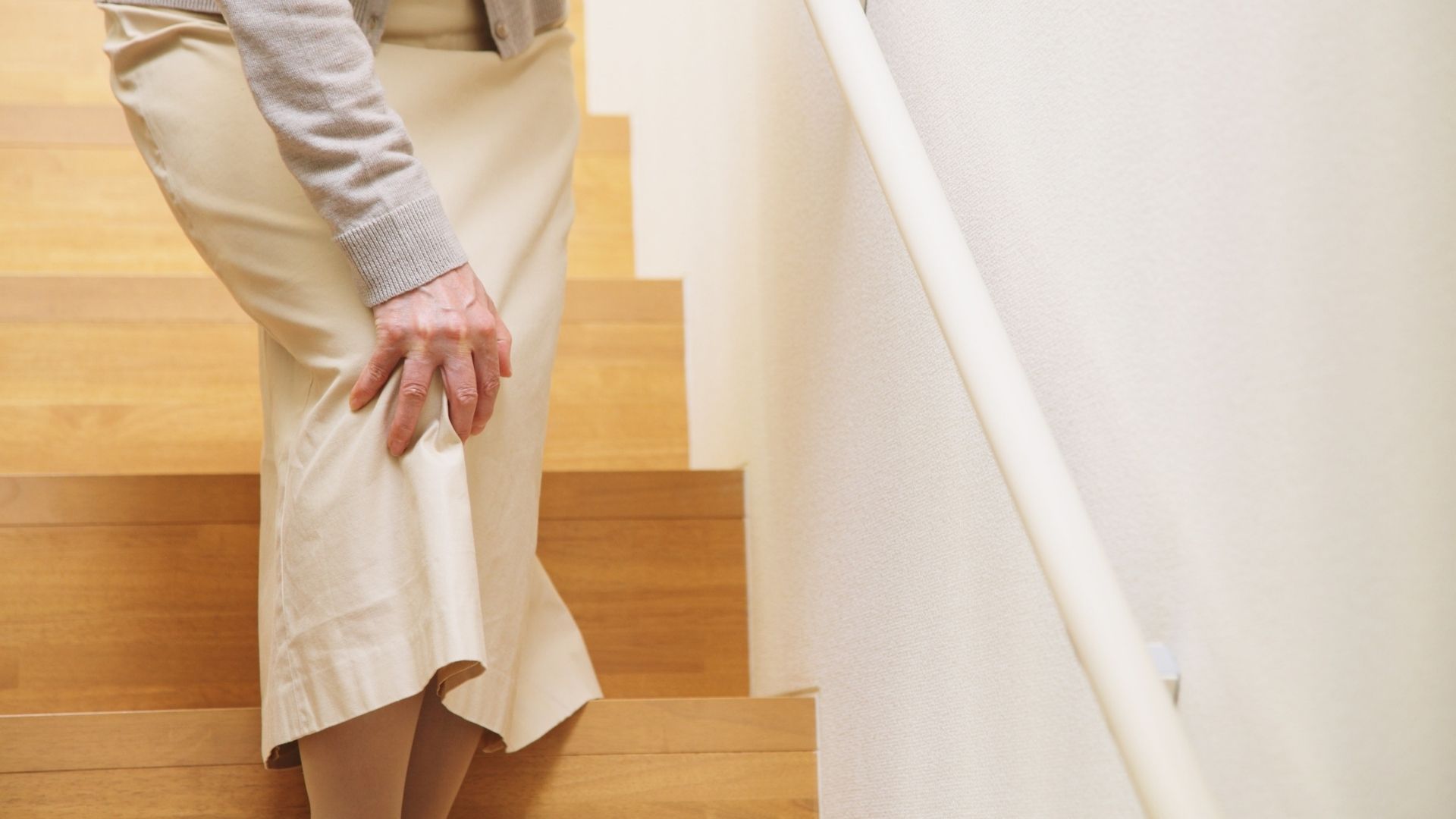
With advancing age or prolonged excessive loading, the smooth cartilage covering the knee joint surface wears down and becomes uneven. Activities such as lifting grandchildren, carrying heavy items or climbing stairs subject the knee to several-fold higher impact forces than normal daily movement. Abnormal friction across damaged joint surfaces at a specific angle stimulates sensory nerve endings inside the joint. To shield the joint from further harm, the brain instantly triggers a protective reflex that relaxes the quadriceps muscle at the front of the thigh. Loss of muscle tension creates that characteristic unstable, buckling sensation in the knee.
Joint degeneration correlates strongly with age and is most prevalent in people aged 50 and above. Sedentary lifestyles, lack of exercise and improper sporting technique have contributed to an emerging trend of earlier-onset cases in younger adults.
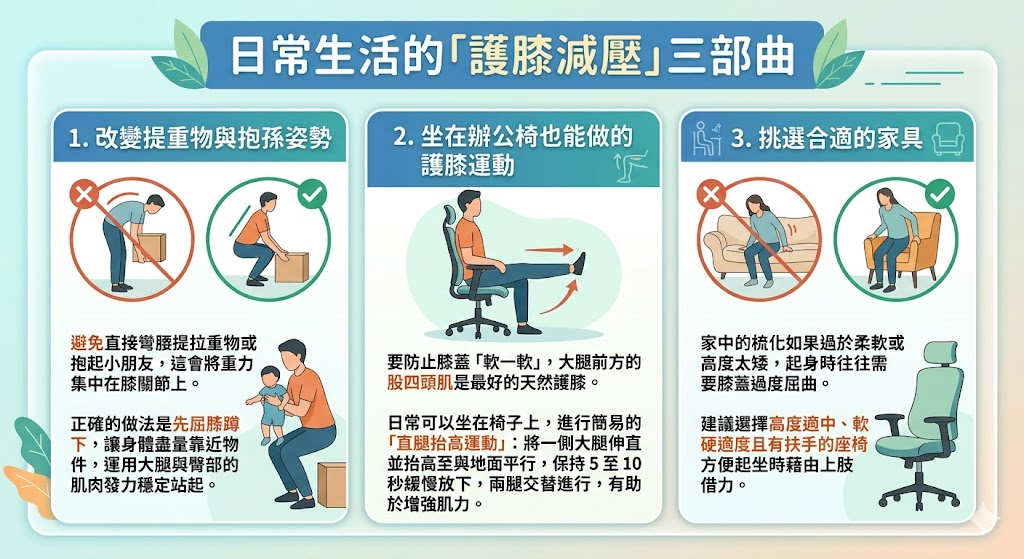
Knee osteoarthritis arises from cumulative daily strain. Simple lifestyle adjustments can bring meaningful improvements:
Frequent knee buckling raises serious risk of accidental falls and subsequent fractures. If knee instability occurs more than once per week, or is accompanied by joint swelling or sharp pain on stair ascent or descent, book a prompt consultation with an orthopaedic specialist.
Modern medicine offers a broad spectrum of non-surgical treatments for knee osteoarthritis:
Knee osteoarthritis is an age-related degenerative condition causing persistent pain and stiffness that interferes with everyday function. Orthopaedic care provides a stepped sequence of interventions tailored to disease stages, aiming to relieve pain, restore mobility and enhance quality of life.
For early-stage knee degeneration, treatment focuses on symptom relief and slowing disease progression. Physicians may prescribe oral anti-inflammatory analgesics to control inflammation. Physiotherapy uses targeted rehabilitative exercise to deliver therapeutic benefits.
When oral medication and physiotherapy yield limited results, intra-articular injection becomes an important mid-stage treatment option. Common injectables include hyaluronic acid for joint lubrication, high-concentration platelet-rich plasma (PRP) to facilitate tissue repair, and other advanced orthobiologics.
Contemporary joint injections can be performed under ultrasound guidance. Real-time imaging supports accurate needle placement. Ultrasound delivers high-resolution live views of internal joint structures without ionising radiation, ensuring orthobiologic agents are delivered precisely to target tissue.
Where cartilage damage is severe and pain severely impairs quality of life, total knee replacement remains the definitive treatment option. Robotic-assisted knee replacement is now available thanks to medical-technology advances. Robotic systems enable detailed pre-operative 3D surgical planning and intra-operative high-precision execution, minimising soft-tissue trauma and supporting faster post-operative recovery.
A: Some studies suggest glucosamine offers mild supportive benefits for early-stage joint health. However, it cannot reverse already worn-away cartilage nor resolve reflex knee buckling caused by internal joint instability. Seek formal medical assessment when symptoms recur frequently.
A: Total inactivity causes thigh-muscle atrophy, removing muscular support for knees and accelerating degeneration. Avoid high-impact sports, sharp twisting movements and deep knee flexion. Choose low-impact aerobic alternatives such as swimming, water-walking or stationary cycling to maintain muscle strength without overloading knee joints.
A: Not necessarily. Knee replacement is reserved for advanced-stage disease with extensive cartilage loss where all conservative treatments have failed. Many patients maintain good functional quality of life without surgery, through early-intervention lifestyle modification, physiotherapy, medication or injectable therapies, when detected in early or intermediate phases.
Last updated: July 2026
Disclaimer: Health-related content on this website has been reviewed by physicians at Chiron Medical Group. The information is for reference only and does not constitute medical advice. It cannot replace consultation with qualified healthcare professionals regarding your personal health conditions.