Among patients with urethritis, most are women. Symptoms often recur, and in more severe cases, it may progress and increase the risk of developing kidney infection (pyelonephritis).
The cause of urethritis is not necessarily due to poor hygiene—nor does it always result from infection passed from a partner. Common contributing factors may include insufficient fluid intake, a weakened immune system, pregnancy, and other underlying conditions.
Below is an illustrative case example describing the symptoms and treatment of urethritis.
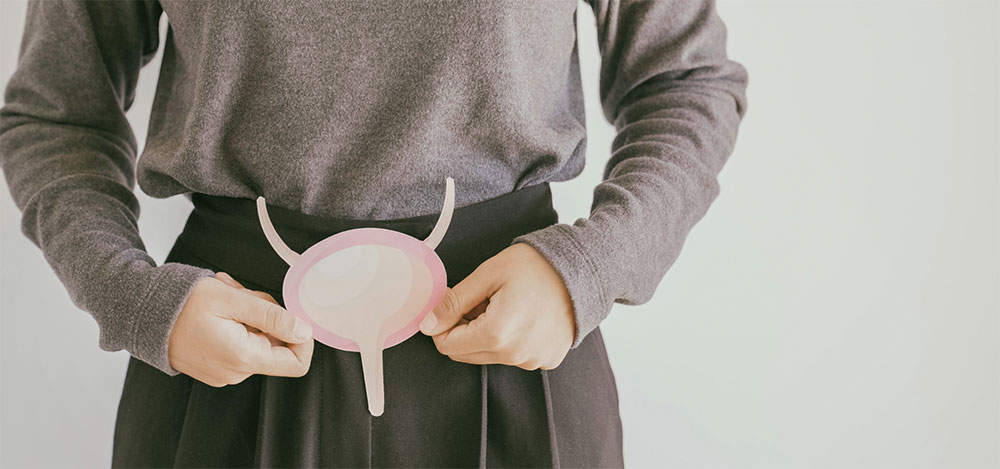
She works as an office employee and often works overtime. Her lifestyle is relatively sedentary—during work she frequently attends meetings and drinks almost no water. Her diet is also irregular. Due to stress, she tends to eat spicy and fried foods.
Over the past three months, Ms. Cheung has experienced severe burning pain when urinating, together with a strong urgency to urinate. The symptoms became so disruptive that she could not work normally. During the day, she needed to urinate more than 10 times on average. At night, she woke 2–3 times to urinate. She also had mild lower abdominal discomfort, which affected her sleep quality.
In addition, she felt ongoing pressure-like discomfort in the lower abdomen and sometimes experienced a low-grade fever. She therefore sought medical care.

Urinalysis showed a large number of white blood cells and bacteria, confirming acute urethritis.
The doctor prescribed antibiotics. Her symptoms improved temporarily, but soon returned.
Because the condition was severe and did not improve, the doctor arranged further investigations, including X-ray and cystoscopy. These tests revealed stones inside the bladder. She was then referred to a surgeon, and surgery was recommended.
After surgery, Ms. Cheung’s symptoms improved markedly. The pain and urgency when urinating resolved, and her urination frequency returned to normal.
If you have any questions, please consult your gynaecologist.