You may have had this experience: one day, opening your phone’s front-facing camera at a downward angle, you suddenly notice your once-defined jawline has softened, with even a hint of a double chin. Many suspect weight gain or water retention. Yet the scale reads unchanged, and you keep up your daily skincare routine — so why is skin firmness quietly slipping away?
This may not stem from inadequate skincare. Instead, your skin’s “operating budget” — oestrogen — is undergoing cyclical or age-related fluctuations.

To understand fine pores, fine lines and sagging contours, picture the dermal layer of facial skin as the craftsmanship of a haute couture gown:
During women’s prime years with stable oestrogen levels, this “designer” is well-resourced. It drives dermal fibroblasts to work hard, continuously weaving high-quality fabric and resilient supports. Skin naturally boasts refined pores, firm texture and sharp, clean jawlines.
Oestrogen does far more than simply “boost collagen production”. It exerts multiple key physiological effects on skin:

As oestrogen levels swing or gradually decline, skin — our haute couture gown — undergoes a cascade of changes:
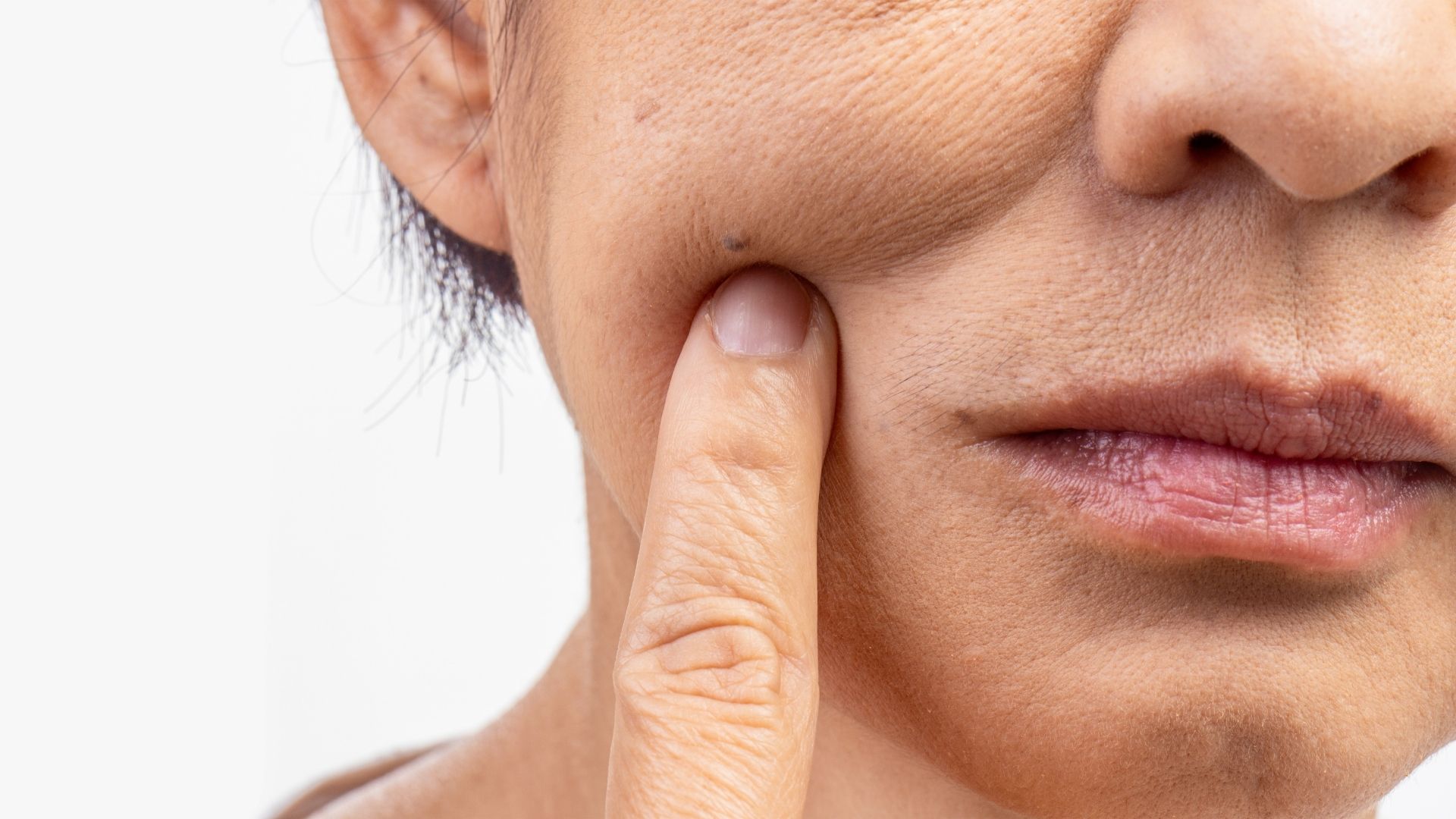
While we cannot hit pause on time amid natural physiological fluctuations, science-backed everyday approaches enable skin risk-management.
A: Yes, closely tied to hormonal swings. Before menstruation, oestrogen usually drops while progesterone rises. This slows skin metabolism and encourages fluid retention. Skin often appears dull and puffy, making the jawline look softer than usual.
A: This is a common misconception. Collagen molecules from food are large. Upon digestion, they break down into basic amino acids, which are prioritised for vital organs and bones rather than selectively delivered to facial skin. A balanced diet with adequate vitamin C is a more effective strategy.
A: Simple self-test: stand upright, tilt head slightly upward and gently pinch jaw-line skin. Thick, fleshy pinched tissue points towards fat accumulation. Thin, soft, low-elasticity skin with slow recoil upon release typically signals collagen loss and age-related reduced skin support.
Hormonal fluctuations form a natural, graceful rhythm in every woman’s life. Fine lines and contour changes are merely signals from your body prompting adjustments. Through sensible nutrition, evidence-based skincare and professional medical support when necessary, you can help your skin navigate each life stage with composure.
Last updated: June 2026
Disclaimer: Health information on this website has been reviewed by doctors at Chiron Medical Group. Content is for reference only and does not constitute medical advice. It is no substitute for consultation with qualified healthcare professionals regarding your personal health.