Eczema is an extremely common skin condition in Hong Kong, affecting both infants and adults alike. During seasonal transitions, periods of high stress, or upon exposure to allergens, sufferers may experience unbearable itching, redness and even oozing skin. Many patients seek medical help repeatedly, sharing one common question: Can eczema be completely cured?
While eczema brings considerable disruption to daily life, advances in modern medicine have greatly deepened our understanding of the condition. From traditional emollients and topical steroids to breakthrough biologics and targeted therapies in recent years, eczema can now be highly well-controlled, enabling patients to return to normal daily living. This article breaks down eczema in plain language: its root causes, early-stage symptoms, quick-relief itch-calming methods, as well as the latest topical preparations and medical treatments, to help you break free from the vicious “itch-scratch” cycle.
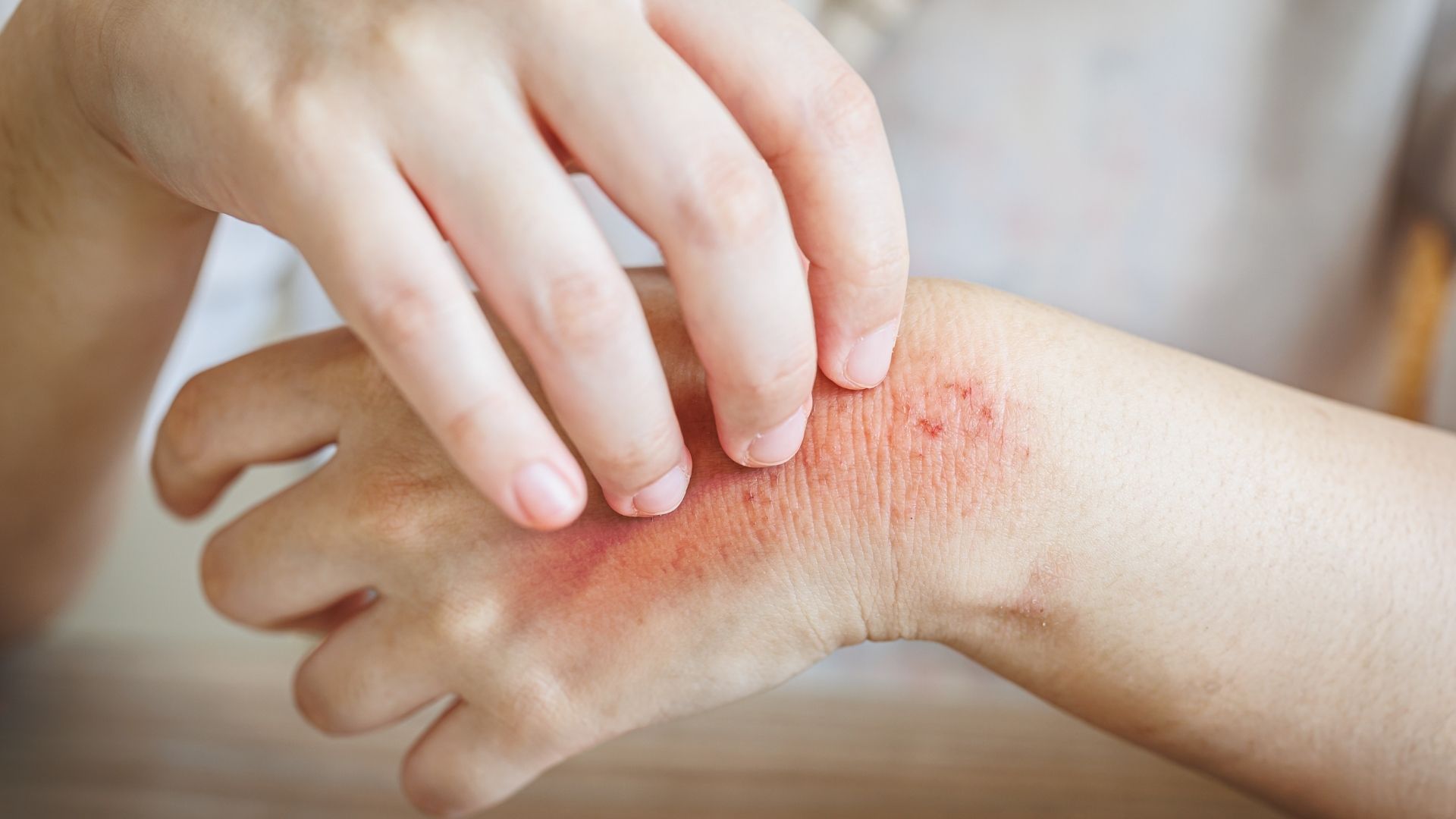
To tackle the condition, we first need to understand it. Many people label all red, itchy skin complaints as “eczema”, yet eczema is an umbrella term covering multiple inflammatory skin disorders.
Medically speaking, eczema (notably atopic dermatitis) is a chronic inflammatory skin disease driven by impaired skin barrier function and an overactive immune system. Healthy skin acts like a robust brick wall, locking in moisture and blocking external allergens. For eczema patients, this “brick wall” develops cracks: moisture escapes easily, while irritants such as bacteria and house-dust mites penetrate readily, triggering an over-vigilant immune response and resulting in skin inflammation.
Eczema is particularly prevalent in Hong Kong’s humid, hot and highly urbanised environment. Statistics show around one-fifth of the local population develops eczema at some point in life, highlighting the importance of accurate health education.
Eczema is not a single disease. It falls into several distinct subtypes based on triggers and affected sites. Accurate identification is the first step for doctors to design effective treatment plans.
The most well-known form of eczema. It usually onsets in infancy. While some patients improve with age, others carry the condition into adulthood. It is strongly linked to genetics; patients or family members often have other atopic conditions such as asthma and allergic rhinitis (hay fever).
Triggered by direct skin contact with specific substances. It is further divided into:

Eczema rarely stems from one single factor. It arises from the interplay of genetic predisposition and environmental exposures. Understanding these drivers supports targeted daily prevention.
Genetics play a pivotal role. Filaggrin is an epidermal protein responsible for skin-barrier integrity and moisture retention. Many patients with moderate-to-severe eczema carry filaggrin gene mutations, leading to innate deficiency of this key protein, leaving the skin barrier fragile and dry. This explains why some people are inherently more skin-sensitive.
Eczema patients show immune imbalance, especially overactive Th2-cell responses. When exposed to ordinarily harmless substances, the misdirected immune system launches an inflammatory attack, releasing large quantities of inflammatory cytokines such as IL-4 and IL-13. These drive persistent skin inflammation, redness and severe itching.
External triggers are frequent flare-up catalysts:

Eczema evolves dynamically, with variable presentations across stages. Early recognition and intervention can prevent progression into intractable chronic eczema.
During acute flares, widespread poorly-demarcated erythematous patches appear, accompanied by burning and intense itching. Severe inflammation may produce tiny blisters. When blisters rupture or are scratched open, clear or pale-yellow serous fluid leaks out — described as “oozing”. At this stage, skin is highly vulnerable to secondary bacterial infection e.g. Staphylococcus aureus, requiring careful management.
Unbearable pruritus is eczema’s most distressing symptom, often worsening at night. It disrupts sleep quality, leading to daytime fatigue and mood disturbance.
Scratching damages the fragile skin barrier further, prompting immune cells to release more itch-provoking mediators such as histamine. This creates the destructive itch-scratch cycle: the more you scratch, the itchier it becomes.
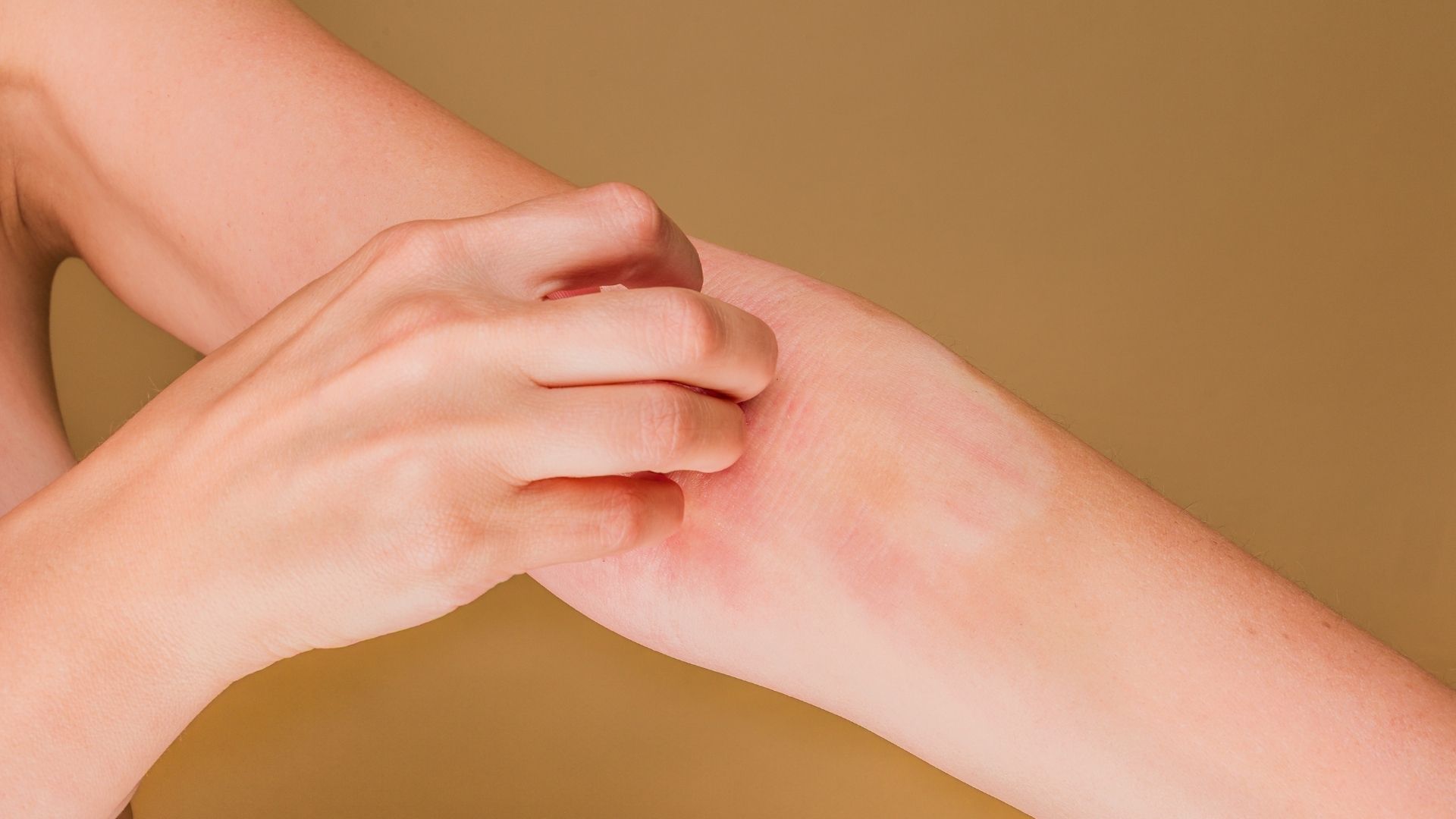
Uncontrolled, long-term inflammation plus repeated scratching remodels skin architecture into chronic eczema. Skin becomes dry, rough and hyperpigmented (darker). Marked skin thickening with accentuated skin lines develops — termed lichenification. Skin loses elasticity, prone to cracking and bleeding upon stretching, making treatment far more challenging.
Do not self-medicate when skin problems arise. Consulting a dermatologist or allergist for formal assessment is the cornerstone of eczema management.
Doctors diagnose eczema via history-taking and physical examination. Atopic dermatitis shows typical distribution patterns by age group:
If an allergic trigger is suspected, allergy testing may be recommended:
A rapid, safe, widely used test. Allergen extracts are applied onto forearm or back skin, followed by gentle epidermal pricking. A wheal-and-flare reaction (mosquito-bite-like swelling and redness) develops within 15-20 minutes for relevant allergens.
Blood testing quantifies allergen-specific immunoglobulin-E levels. Patients need not stop antihistamines before testing, and results are unaffected by concurrent skin inflammation, offering high sensitivity.
The Eczema Area and Severity Index (EASI) objectively grades eczema severity and monitors treatment response. It evaluates erythema, induration/papulation, excoriation and lichenification across four body regions: head-neck, upper limbs, trunk and lower limbs.
This score guides clinical decisions for advanced therapies such as biologics.
There is no “magic pill” for instant eczema cure. Management is multi-modal: foundational skin care, topical agents and systemic therapies. Modern medicine offers far more treatment options than ever before.
Irrespective of severity, consistent moisturisation is non-negotiable. Emollients replenish skin moisture and lipids, forming a protective artificial skin layer.
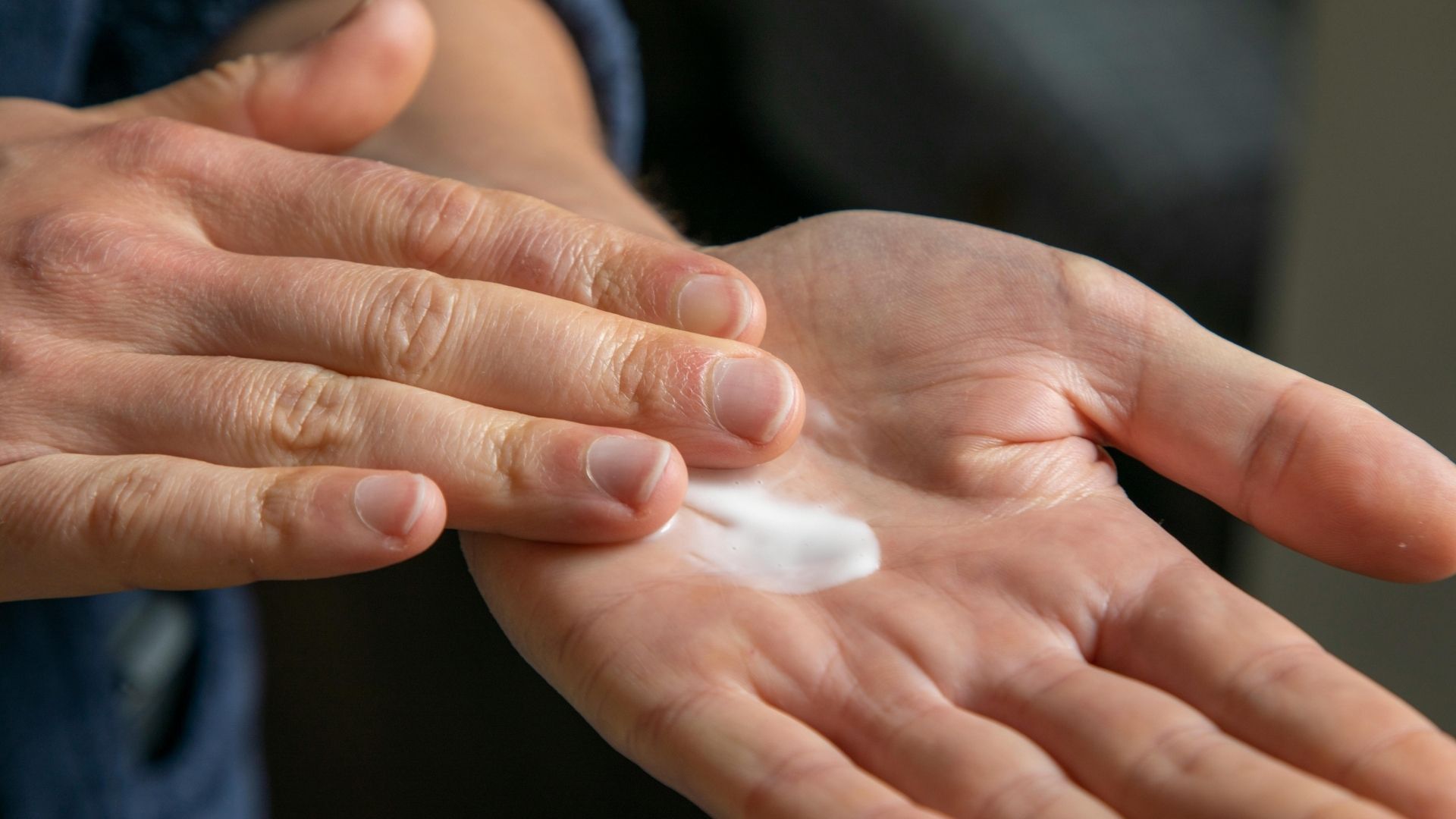
Moisturising alone is insufficient during inflammatory flares; anti-inflammatory medications are required.
Important note: The topical-steroid phobia myth Many patients fear topical steroids, worrying about skin thinning or developmental side-effects. When used strictly under medical supervision: correct potency, appropriate sites, tapering or discontinuation once inflammation is controlled — topical steroids are safe and highly effective. Unwarranted refusal to use them may lead to severe, hard-to-manage flares.
For patients with moderate-to-severe refractory eczema unresponsive to conventional topicals or older oral immunosuppressants, novel targeted treatments deliver meaningful improvement.
|
Treatment |
Mechanism |
Indications & Key Features |
|
Biologics (e.g. Dupilumab / Lebrikizumab) |
Subcutaneous injection precisely blocks key inflammatory interleukins (IL-4, IL-13) to halt inflammation at source. |
For moderate-to-severe atopic dermatitis. Fewer side effects compared with conventional immunosuppressants; spares overall immune function; low liver-kidney burden; achieves substantial skin improvement and itch relief. |
|
Oral JAK inhibitors (targeted oral therapy) |
Blocks intracellular JAK-STAT signalling pathways to shut down multiple inflammatory signals. |
Very fast onset; major itch reduction often within days. Suitable for moderate-to-severe patients requiring rapid symptom control. |
For further information on Hong Kong-registered eczema medications and allergy resources, refer to professional guidance at https://www.allergyhk.org/
Besides medication, physical measures ease sudden itch episodes:
A: It depends on subtype. Contact dermatitis triggered by a specific allergen can be fully resolved if the trigger is completely avoided. For genetically-driven immune-mediated atopic dermatitis, complete cure (genetic alteration) is not currently possible. Nevertheless, with consistent skin care, moisturisation and modern therapies such as biologics, patients can achieve skin indistinguishable from normal — clinical remission / long-term disease control, and live free from disabling itch.
A: Not universally. Food-triggered eczema is more common in infants (triggers: cow’s milk, egg, peanut). For adults, environmental allergens (e.g. house-dust mites) and stress usually outweigh food-related triggers. Unnecessary strict diets may cause malnutrition and impair skin repair. Targeted dietary avoidance should only follow formal allergy testing and doctor confirmation.
A: Yes. Exercise relieves stress and brings long-term benefits for eczema control. However sweat salts and metabolites may irritate inflamed skin and worsen itching. Wear breathable cotton sportswear; rinse off sweat promptly with lukewarm water post-exercise, pat skin dry (do not rub), then apply emollients immediately.
A: No. Eczema arises from individual immune dysregulation and skin-barrier impairment. It involves no transmissible virus or bacteria. Hand-shakes, shared towels and everyday contact cannot spread eczema to others.
A: Hormonal shifts in pregnancy can trigger or worsen eczema. Sufferers should not endure severe itching and sleep deprivation, which may impact the foetus more than appropriate treatment. Certain topical steroids and emollients are safe under medical guidance. Always consult your dermatologist or obstetrician; do not self-prescribe or use unproven folk remedies.
A: Daily bathing supports skin hygiene and bacterial-infection prevention and does not worsen eczema. Water temperature and bathing duration are critical. Use lukewarm water (~37 °C). Avoid hot water (short-term itch relief yet strips protective skin lipids). Limit bathing time to 5-10 minutes. Use soap-free gentle cleansers.
It is understandable to feel defeated living with stubborn eczema. While atopic dermatitis cannot simply be “cured” like a cold, it can be well-managed. This includes consistent moisturising routines, identification and avoidance of personal triggers, appropriate use of topical treatments, and consideration of game-changing biologics and targeted oral therapies. Modern medicine provides a powerful toolkit for patients.
Maintain a positive outlook, build long-term partnership with your trusted doctor and follow a personalised management plan. With persistent care and breaking the itch-scratch cycle, smooth healthy skin is achievable, and eczema no longer defines your life. If you suffer from severe eczema, take the first step today and book an assessment: https://chiron.care/specialist-center/dermatology-specialty-center.html
Updated: April 2026
Disclaimer: This health content has been medically reviewed by doctors of Chiron Medical Group. Information is for reference only. It does not constitute medical advice and cannot replace consultation with a qualified healthcare professional for your personal health condition.