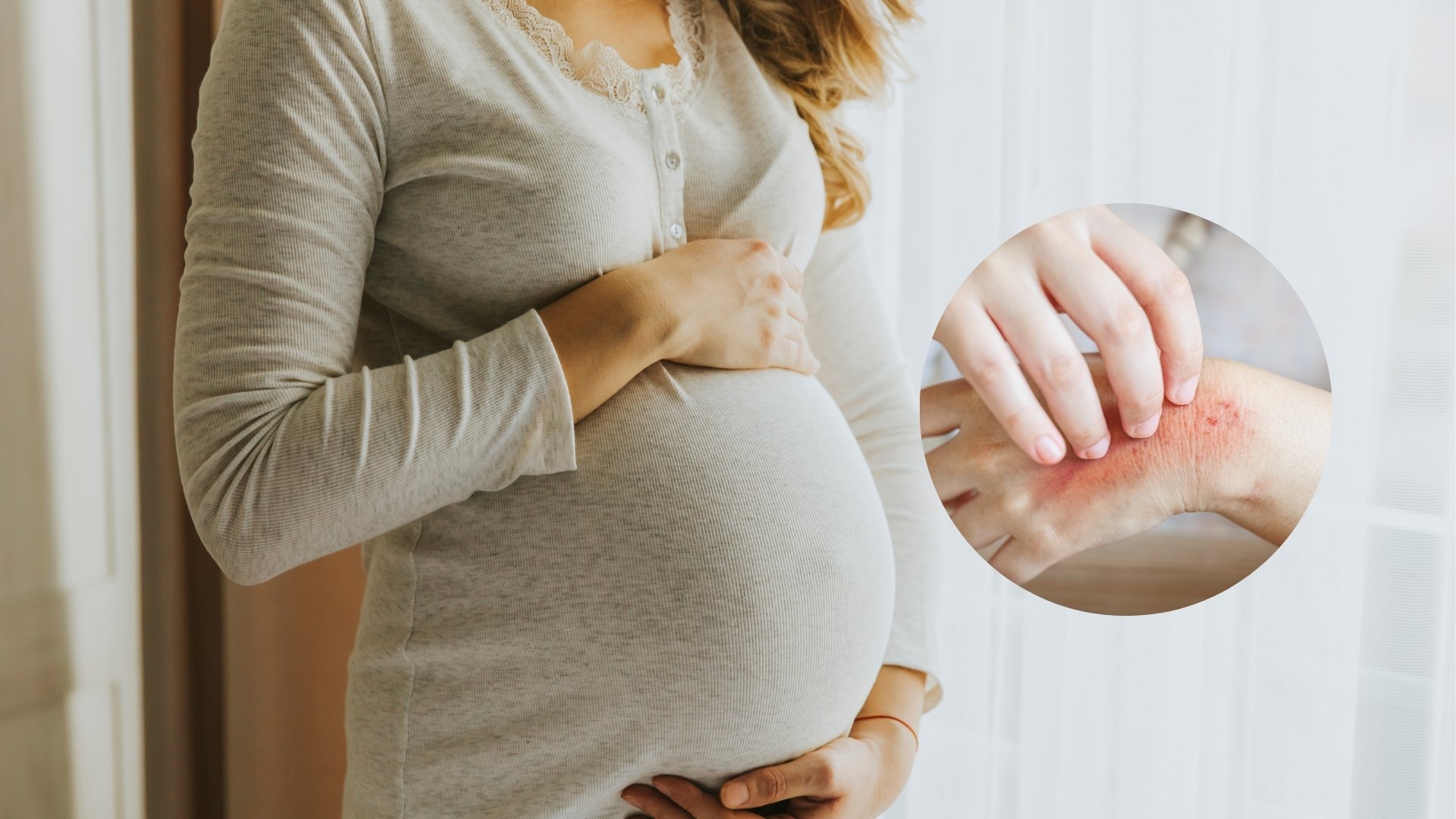
Pregnancy and breastfeeding are supposed to be some of the most joyful and anticipated times in life. However, for some mothers with eczema, this journey can feel like an unrelenting nightmare. These expectant mothers—or new moms who have just given birth—may keep scratching their skin due to eczema, causing redness, swelling, and oozing. The itching can be unbearable, yet they worry that taking medicine or applying ointments may affect the baby.
From the perspectives of dermatology and obstetrics/gynaecology, “just bear it blindly” may not be the best choice for your baby. Let’s explore how to manage eczema while ensuring mother-and-baby safety.
Many mothers worry that ingredients in medications may pass through the placenta or into breast milk. As a result, they choose “a chill approach” to just stop the itching. But long-term physical discomfort and psychological stress can trigger a chain reaction.
When the body is in extreme itchiness, poor sleep, or anxiety, the brain instructs the release of large amounts of “stress hormones”—cortisol. Medical research suggests that prolonged psychological stress in the mother and high cortisol levels may affect the uterine environment, and may be potentially associated with the baby’s future tendency toward allergies or emotional development.

Eczema is most feared when the skin is scratched open. Once the skin barrier is damaged, bacteria such as Staphylococcus aureus (golden staph) can easily enter and cause bacterial infections (e.g., cellulitis). At that point, the mother may need antibiotics—and sometimes even hospitalization. The burden on the body can be much greater than using lighter ointments early on.
If your eczema is in the early stage or only mildly red and swollen, you can start with adjusting daily skincare. When choosing products, look for ingredients that are friendly for pregnant and breastfeeding women:
Although topical skincare has limited absorption, for safety it’s recommended to avoid:
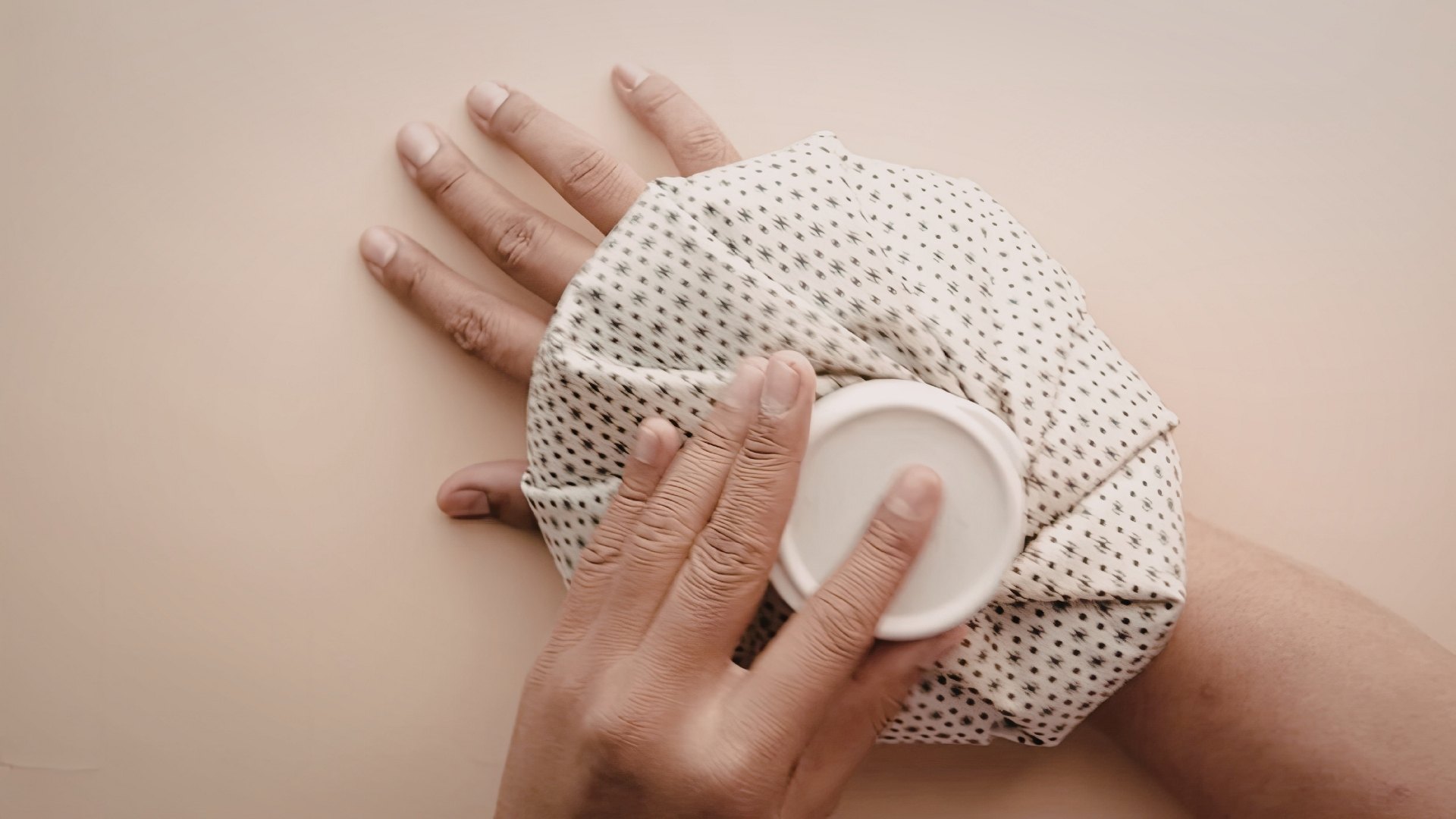
The word “steroids” alone makes many mothers tense up. But in fact, under medical supervision, topical steroids can be a “lifesaver” for treating eczema.
Topical steroid ointments mainly act on the outer layers of skin, with a very low proportion entering the bloodstream. Dermatologists will select the appropriate potency based on your stage of pregnancy and the affected areas (e.g., abdomen, limbs, or face). Typically, they start with the mildest dose, and once the condition is controlled, the amount is gradually reduced.
For breastfeeding mothers whose eczema is located on the chest, the biggest concern is that the ointment might be accidentally ingested by the baby during feeding.
How to choose: Doctors usually avoid ointments that are hard to wash off if used near the chest.
Timing control: “Feed first, then apply medication.” After breastfeeding, apply the ointment immediately, so that before the next feeding (usually 2–4 hours later), the drug has either been fully absorbed by the skin or passed its peak metabolism period. It’s also recommended to gently wipe off any remaining ointment with saline before the next feeding. If the skin is severely broken or there are signs of infection, consult your doctor about whether to temporarily pause feeding on that side for a short period.
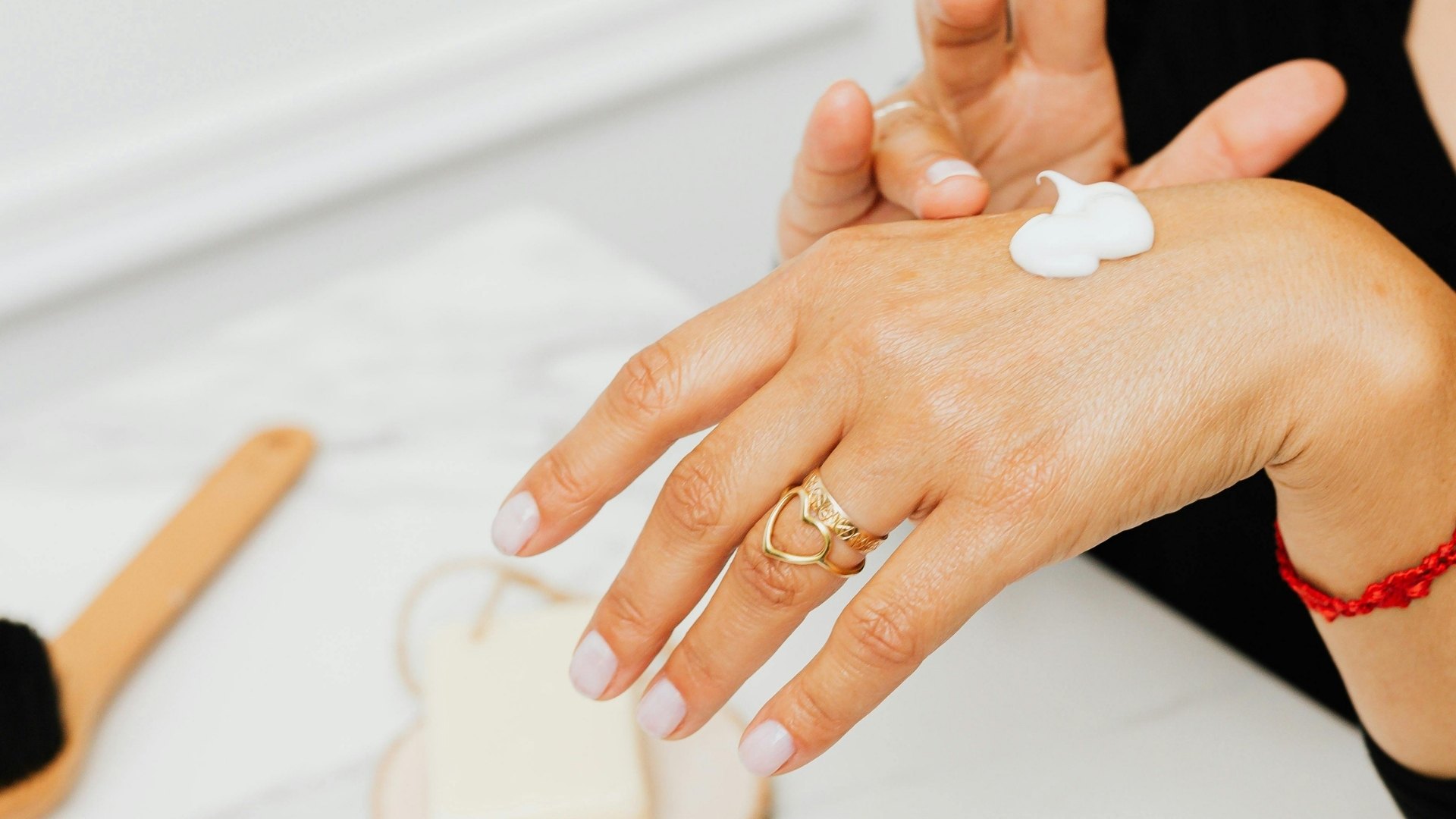
Some mothers may try to find over-the-counter “anti-itch ointments,” but commercial products may contain antibiotics or high-potency steroids that are not suitable for pregnant women. Before using any medication, it’s best to discuss your pregnancy/breastfeeding status with a doctor and get professional guidance.
A: Not necessarily. While genetics is one factor, environment, diet, and after-birth skincare are just as important. Staying in a good emotional state during pregnancy, maintaining balanced nutrition, and prioritizing skin moisturization for your baby after delivery can help lower the chance of developing eczema.
A: Some first- or second-generation antihistamines (e.g., chlorpheniramine or loratadine) are generally considered relatively safe for pregnant women in medical practice. However, they must be assessed and prescribed by a doctor—do not take them on your own.
A: For pregnant patients with moderate to severe stubborn eczema, biological therapies (e.g., dupilumab) are often considered relatively safe and may be an option worth considering. They can help control the condition effectively and improve quality of life. However, oral JAK inhibitors are generally not recommended during pregnancy due to insufficient safety data. It’s best to seek guidance from a specialist and carefully evaluate the risks.
Updated: April 2026
Health information on this website has been reviewed by doctors from the Chiron Medical Group. The above content is for reference only and should not be considered medical advice. It also cannot replace consultation with qualified healthcare professionals regarding your individual health situation.