Have you noticed that once you cross a certain age threshold, even countless expensive anti-ageing serums deliver little improvement to skin elasticity? This may not stem from faulty products. The real battlefield of skin ageing lies within the dermis, a layer that topical skincare can barely penetrate. In this article, we use simple everyday analogies to explain how modern dermatology leverages thermal radiofrequency (RF) for subtle skin rejuvenation.
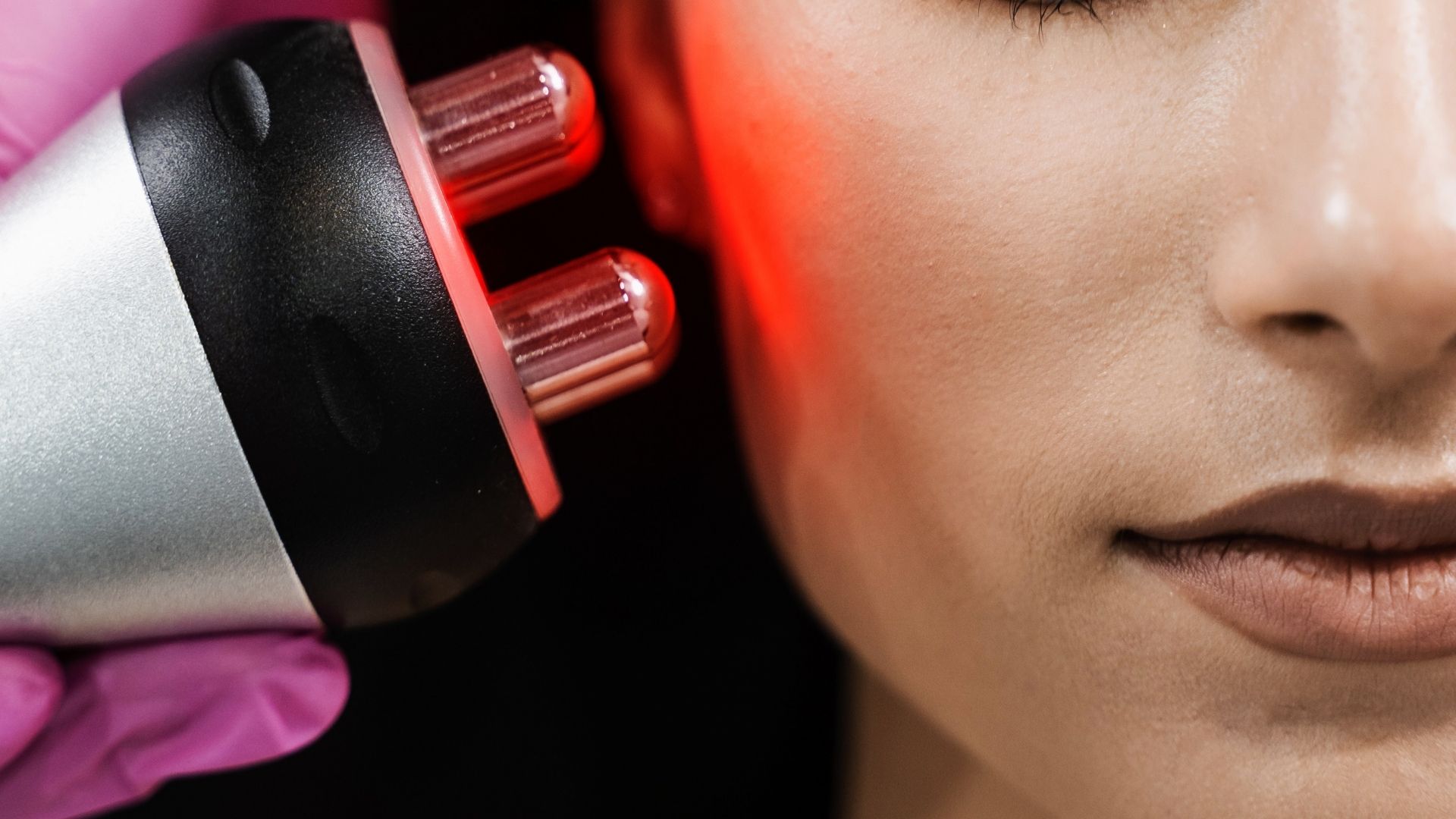
To grasp how thermal radiofrequency works, picture your skin as a premium spring mattress:
In youth, abundant, resilient springs keep the mattress plump and smooth. As we age, the skin’s “collagen factory” (fibroblasts) slows down, with collagen output falling by roughly 1 % each year. The mattress springs start to rust and loosen. Consequently, the outer “bed-sheet” develops creases (fine lines), local depressions (cheek sagging, enlarged pores), and under gravity, the jawline slides downwards.
Topical skincare is like sprinkling water over the mattress surface: it boosts hydration yet cannot mend deep structural damage. Thermal radiofrequency acts as a “thermal engineer”, passing through the epidermis to target the dermis precisely.
Dermal collagen is fundamentally a protein. How does heat trigger anti-ageing benefits deep in skin? Two-stage transformations take place:
Think of a cooking analogy. When radiofrequency evenly heats the dermis, slackened, over-stretched collagen fibres behave like beef slices in hot-pot broth: under controlled heat, they contract centripetally. Collagen fibres undergo this same immediate centripetal shrinkage, tightening the supporting framework.
This explains why many patients see instantly sharper jawlines immediately after an in-clinic RF session. It represents an immediate thermal skin response delivering instant structural support.

When deep skin tissue receives safe thermal stimulation, the skin interprets the signal as minor internal damage requiring repair. Fibroblasts, which had grown sluggish with age, spring into urgent action.
Over the following weeks to months, these awakened cells continuously produce fresh, elastic collagen. New collagen fills sunken gaps within skin, gradually lifting stretched pores, softening fine lines and tightening jaw contours.
While radiofrequency principles sound straightforward, precise temperature management poses the core technical challenge.
Clinical dermatological research shows that to trigger collagen denaturation and remodelling — contraction of old lax fibres plus new-collagen induction — dermal temperature must sit within the optimal window of 45 °C to 60 °C.
Modern thermal-RF treatments protect the epidermis at safe temperatures while depositing heat deep in the dermis — achieving the desired “cool surface, hot depth” thermal profile. Energy settings vary individually according to skin thickness, fat distribution and collagen density. This underscores the value of thorough pre-treatment assessment: safe, effective treatment plans depend on full evaluation of your unique facial anatomy.

Many pain-conscious women worry: “Will high-energy RF be very painful?”
Certain modern RF devices deliver high deep-tissue energy alongside integrated epidermal cooling. At the moment of energy discharge, the handpiece rapidly cools superficial skin, keeping the epidermis comfortably tempered. Most patients describe the sensation as comparable to warm-stone massage, with only mild local warmth.
Anti-ageing is a scientific journey against time. If you struggle with prominent jawline drooping, visible double chin, or wish to check whether thermal radiofrequency suits your skin, start with a professional dermatological facial-structure assessment to build a personalised treatment plan. This represents the safest, most effective first step.
A: Radiofrequency for mild laxity and double chin targets mainly the dermis and superficial subcutaneous fibres to tighten contours; fat reduction is not its primary objective. Robust new-collagen formation actually restores fullness to fatigued, sunken cheeks. Always seek dermatological consultation for personalised assessment based on your facial-fat distribution.
A: RF-driven rejuvenation unfolds dynamically. Right after treatment, immediate collagen-fibre contraction creates temporary skin tightness. Substantial new collagen synthesis follows skin’s biological repair cycles. Typically 4-12 weeks post-treatment, fresh collagen fills dermal layers, bringing optimal improvements in skin refinement, pore shrinkage and jawline firmness.
Last updated: July 2026
Disclaimer: Health-related content on this website has been reviewed by physicians at Chiron Medical Group. The information is for reference only and does not constitute medical advice. It cannot replace consultation with qualified healthcare professionals regarding your personal health conditions.