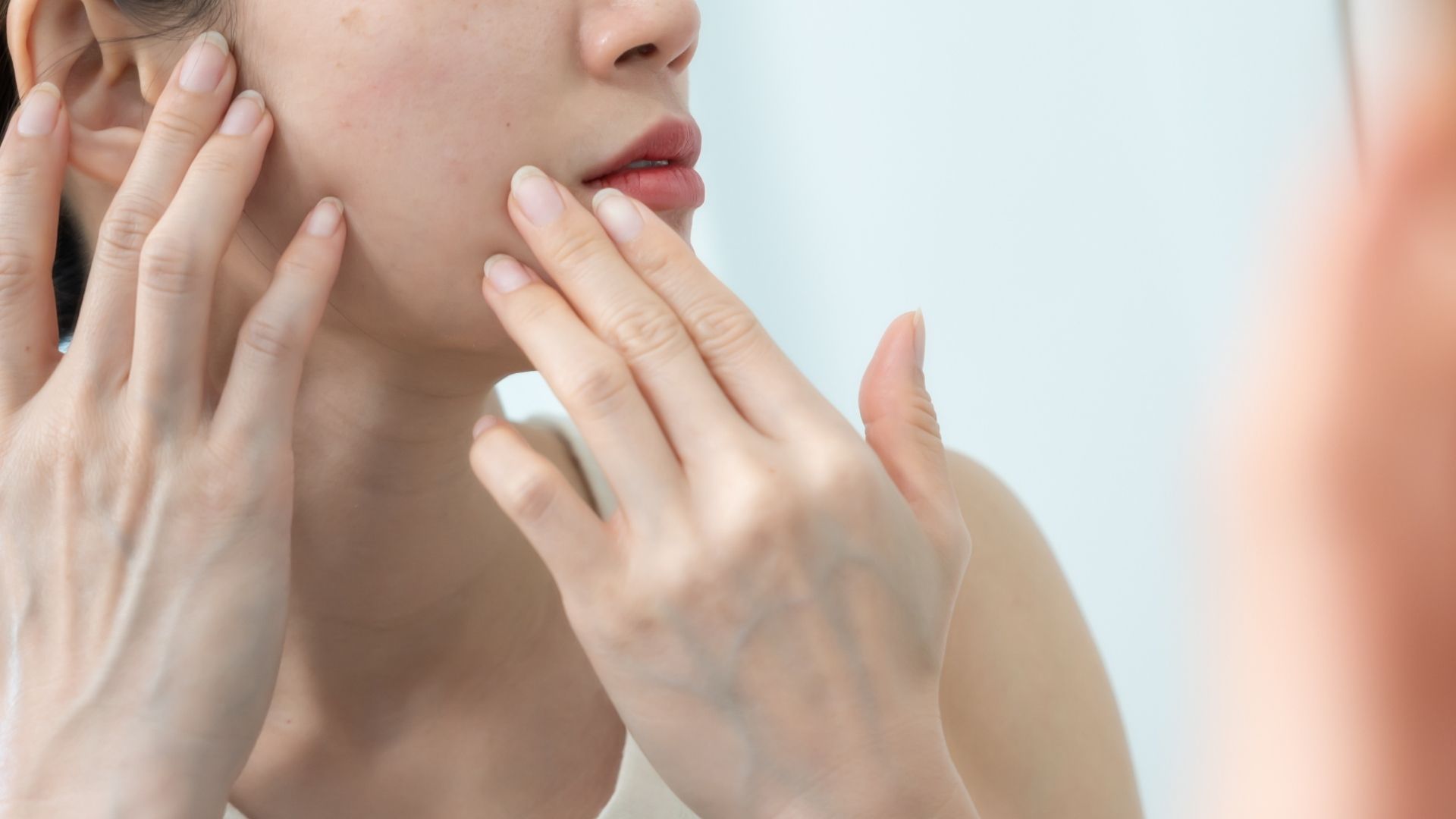
Women’s skin condition is never determined by age alone; it is closely linked to fluctuations in oestrogen levels. Clinical dermatological observations show that hormone-related skin ageing broadly falls into three distinct stages. Each stage brings its own set of concerns and calls for vastly different management strategies. Understanding which stage you are in enables truly targeted skincare.
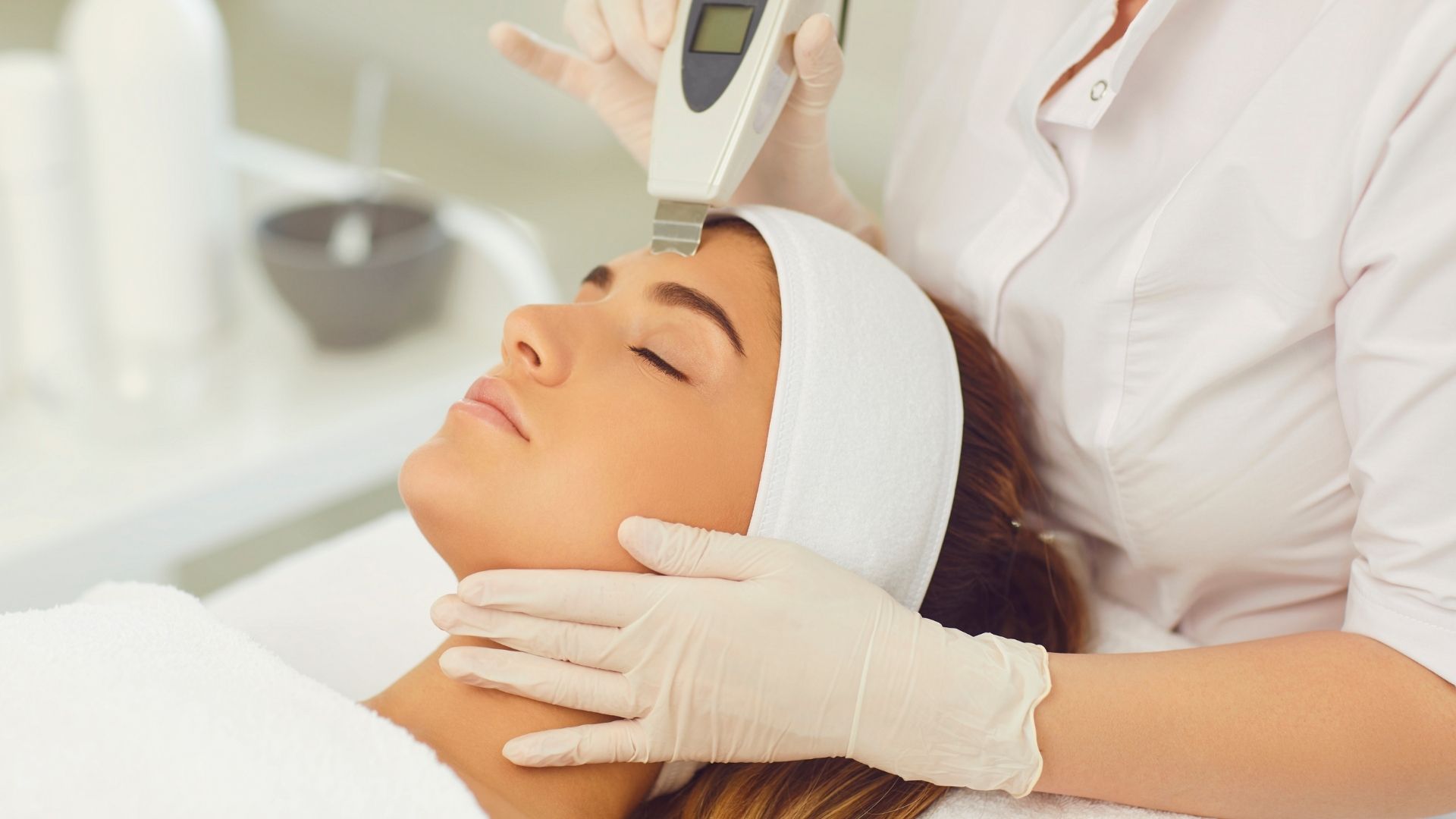
Oestrogen exerts comprehensive effects on skin: it boosts collagen synthesis, maintains skin hydration, regulates sebum production, and inhibits collagen-degrading enzyme activity. When oestrogen levels remain stable, the skin’s “collagen factory” runs smoothly. Once oestrogen begins cyclical swings or long-term decline, a cascade of skin concerns follows.
There are no rigid age cut-offs for these three stages, yet the breakdown below serves as a useful reference framework:
What happens: From age 25 onward, natural collagen loss quietly accelerates at roughly 1 % per year. Overall oestrogen stays stable, yet short-term fluctuations can be triggered by life stress, sleep quality and menstrual cycles. Signs of ageing at this phase are often subtle and easily overlooked.
Typical skin concerns:
Recommended skincare strategy: This stage focuses on building defensive foundations — prevention outweighs correction:

What happens: After turning 35, oestrogen undergoes more pronounced cyclical fluctuations and collagen loss speeds up. Dermal thickness drops noticeably, and pre-ageing signs shift from intermittent to persistent.
Typical skin concerns:
Recommended skincare strategy: The priority here is active yet gentle support for collagen production:
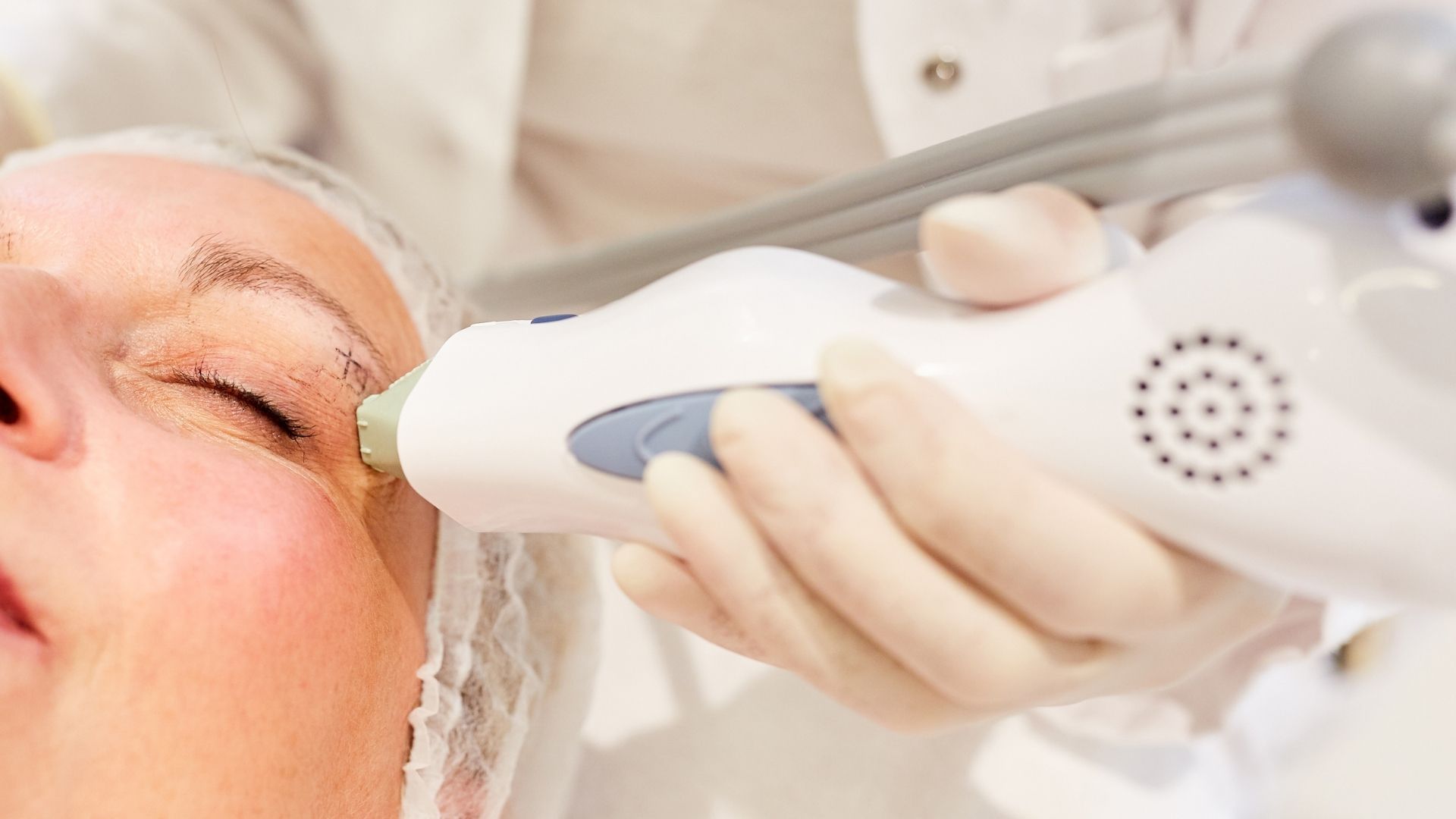
What happens: As perimenopause draws near, oestrogen fluctuates more dramatically before sustained long-term decline. Skin changes are no longer limited to isolated fine lines or pores; whole-skin structural transformations take place.
Typical skin concerns:
Recommended skincare strategy: Changes in this phase go beyond what topical skincare alone can resolve, requiring a holistic approach:
Understanding your hormone-driven ageing stage is not about creating anxiety — it grounds your skincare decisions in reality. Every life stage has its optimal interventions. What matters most is finding your own rhythm and taking appropriate action at the right time. If you have concerns, consult a dermatologist for a custom-tailored plan.
A: No rigid age thresholds exist. Genetics, lifestyle (sleep, stress, smoking), sun exposure and child-bearing history all alter the pace and timing of hormonal shifts. Pronounced teardrop-shaped pores or early contour softening at age 30 counts as “early-onset accelerated ageing”. Earlier intervention with targeted skincare is advisable.
A: Sharp post-birth hormonal shifts, specifically the rapid drop in oestrogen after delivery, can trigger short-term or even long-term skin effects including heightened dryness, dullness and faster collagen loss. Mechanistically this resembles hormone-driven phase-related ageing. Skin usually improves as bodily hormonal balance recovers. If symptoms persist, consult a dermatologist.
A: Topical skincare primarily prevents, delays and improves mild skin concerns. Consistent science-backed home care yields clear results for Stage-1 pre-ageing signs. Once you enter Stage 2 or 3, however, topical products deliver limited benefit against prominent contour laxity and structural damage. Seeking professional dermatological advice to assess clinical intervention options represents a more thorough, practical approach.
A: Start with simple self-observation: Are your pores round or teardrop-shaped when you look in the mirror? Is your side-profile jawline sharp or blurred? Does cheek skin recoil slowly when gently pushed and released? Has overall facial plumpness diminished? These visual and tactile markers indicate hormone-related ageing. For uncertainty, a dermatologist can perform a facial-structure assessment for a more precise diagnosis.
Last updated: July 2026
Disclaimer: Health-related content on this website has been reviewed by physicians at Chiron Medical Group. The information is for reference only and does not constitute medical advice. It cannot replace consultation with qualified healthcare professionals regarding your personal health conditions.