If you notice that, no matter how many shampoos you switch—deep cleansing, oil control, tea tree odor relief, or even expensive scalp purifying products—an underlying “oily acid smell” still shows up every afternoon as if on schedule, it may not mean you’re “not washing properly.” More likely, your scalp is sending an important health warning signal through smell.
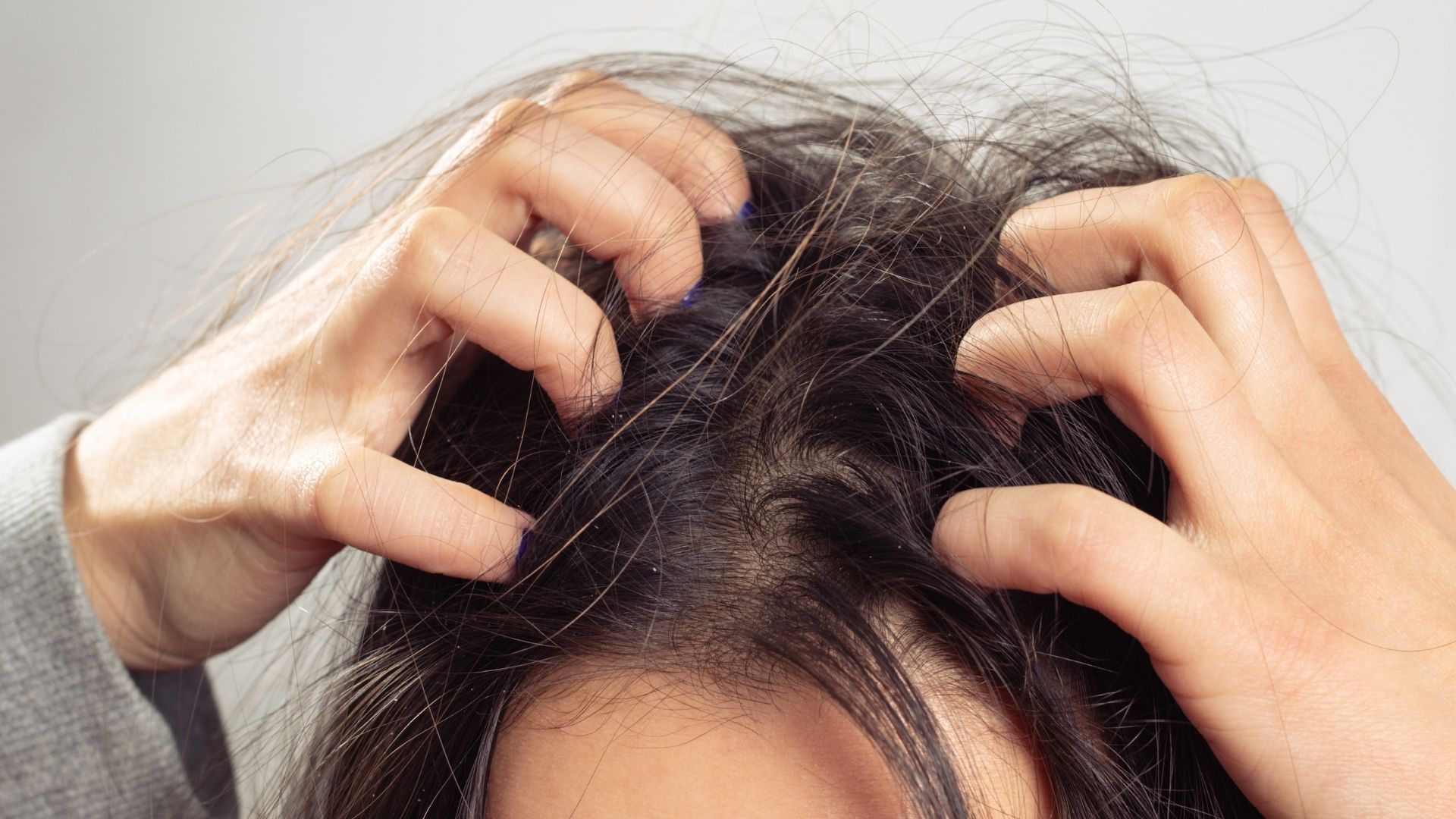
Many people who experience scalp odor try every oil-removal formula on the market. They may even increase how often they wash their hair, hoping to eliminate the odor. But over-cleansing can backfire.
Medical research indicates that the density of sebaceous (oil) glands on the scalp is several times higher than on the face. Your scalp also has its own “micro-ecosystem.” When you over-clean in an attempt to remove odor, the protective sebum layer on the scalp can be damaged—leading to compensatory oil production. In other words, when the skin feels dry, it instructs the oil glands to produce more oil to protect itself.
These excess oils then become the main “food source” for bacteria and fungi, creating a vicious cycle that sustains (or worsens) the odor.
Scalp odor itself is not necessarily produced directly by sebum. The real cause is often a series of chemical reactions involving microbes:
If you’ve tried multiple products but the odor returns within a few hours after washing, it could be related to one of the following scalp issues:
One of the most common scalp problems in Hong Kong. Symptoms can include redness, oily yellow flakes, and a noticeable odor. This is often linked to overgrowth of Malassezia and individual immune reactions. A standard “cosmetic” shampoo usually cannot fully control the inflammation.
When bacteria (e.g., Staphylococcus aureus) invade hair follicles, it can cause red, swollen, painful pustules. The exudate and damaged tissue can generate a stronger odor. Severe folliculitis may even lead to localized hair loss.
Long-term stress, poor diet, or frequent hair perming/coloring can disrupt the scalp’s pH balance. When the protective acid layer is damaged, harmful microbes can replace beneficial ones—leading to persistent odor.
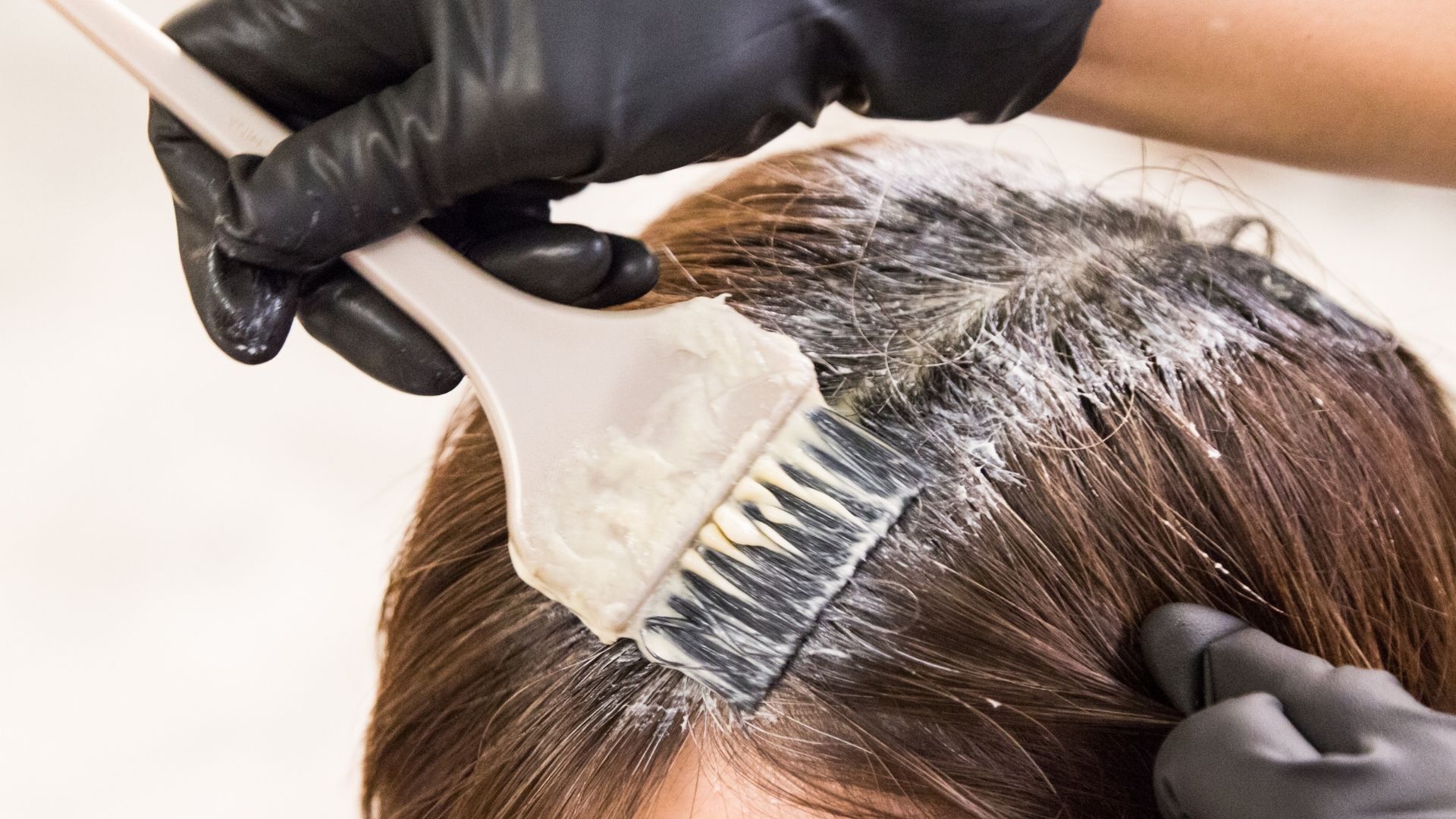
Dermatology specialists typically use the following approach:
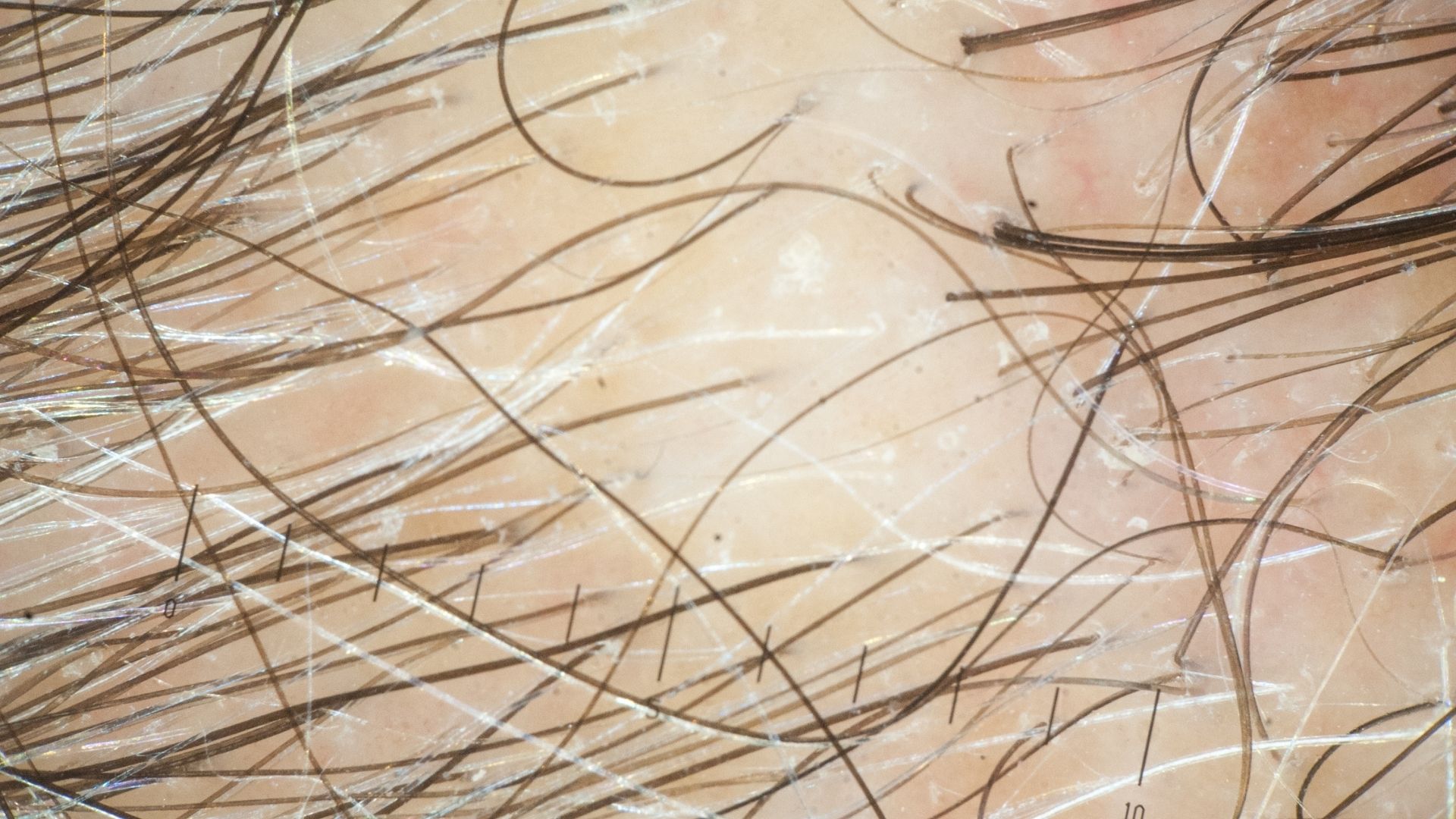
Using a high-magnification device, doctors can observe oil build-up at follicle openings, blood vessel dilation, and whether there are hidden flakes—helping distinguish between excessive sebum production and inflammatory, disease-related causes.
Besides medical treatment, small lifestyle adjustments can significantly improve scalp health:
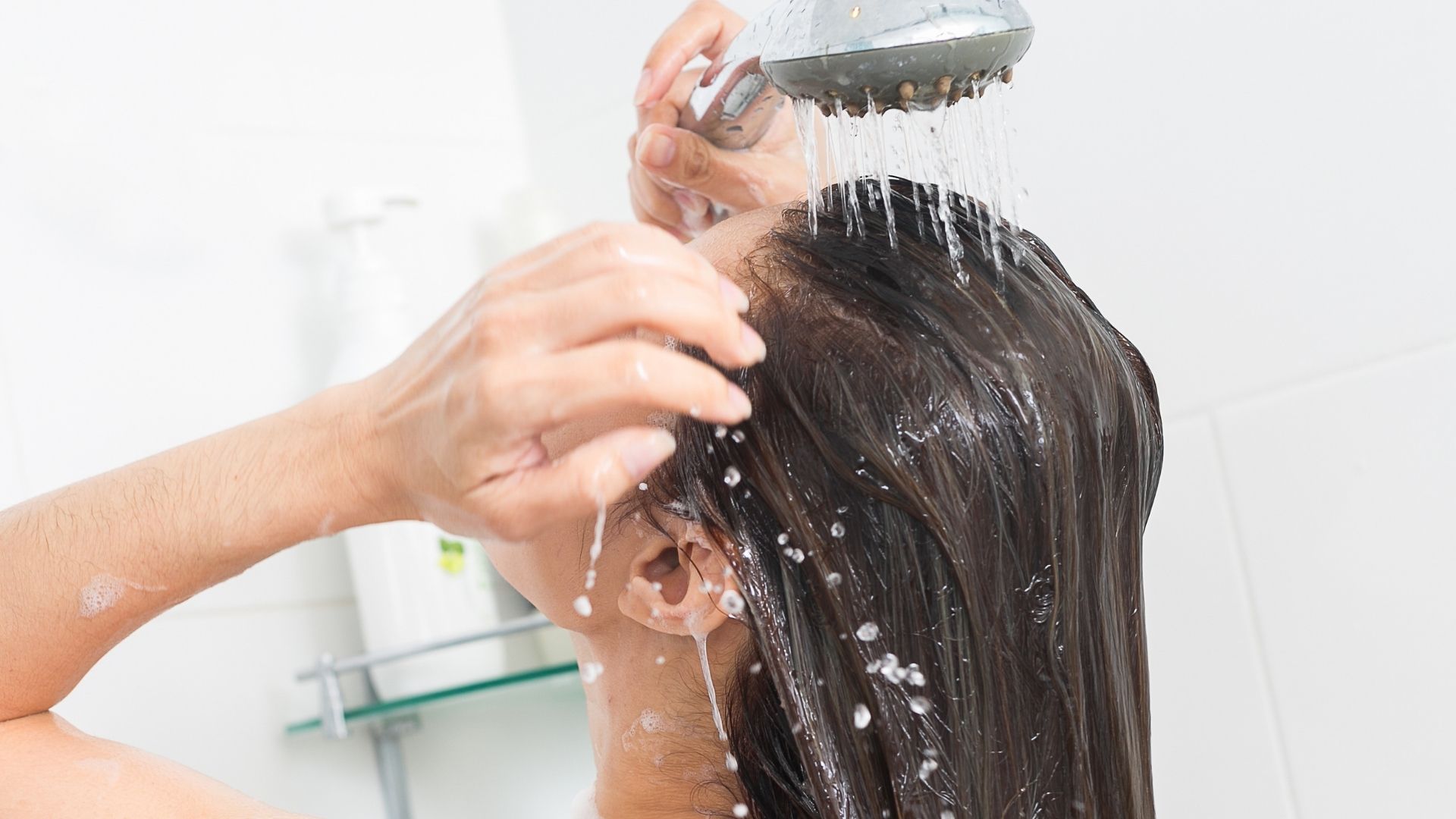
Keep washing water around 37°C–39°C. Water that’s too hot can stimulate oil glands; water that’s too cold may not dissolve solid oils effectively.
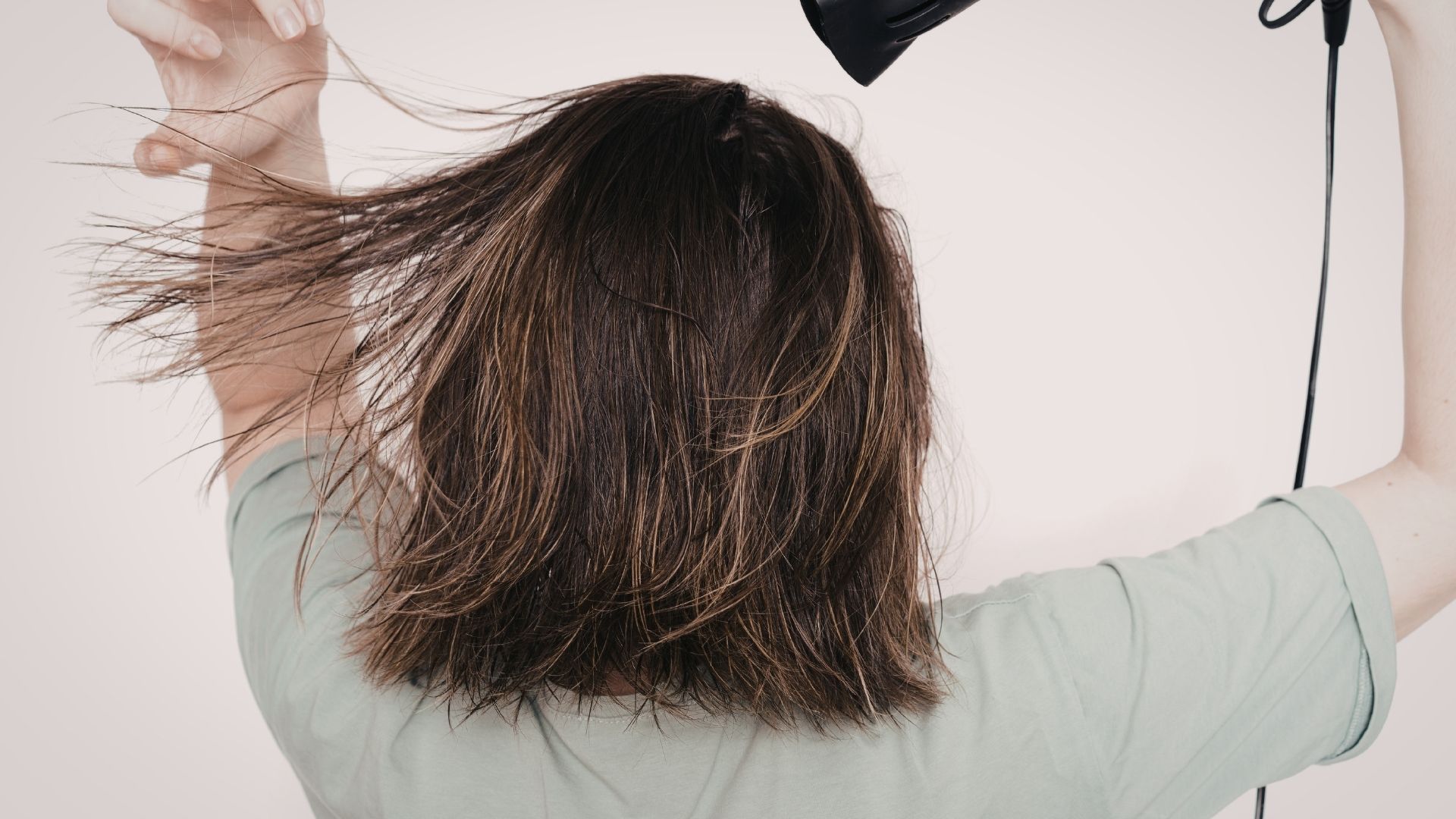
Warm and damp conditions are a great environment for fungi. After washing, use warm air to fully dry the scalp—not just the hair.
High glycemic index (High-GI) foods and dairy have been shown to potentially worsen sebum production. Aim for moderation.

A: For most people, washing once daily is enough. If oiliness is extreme, twice daily may help, but use gentle products. Over-washing can damage the sebum protective layer, causing compensatory oil production—often worsening odor.
A: Medicated shampoos may only address surface microbial imbalance, while the deeper inflammation (e.g., seborrheic dermatitis) or lifestyle factors (like lack of sleep and stress) remain. Also, frequency of use should follow your doctor’s guidance to avoid scalp adaptation.
A: Over-the-counter products mostly focus on cleaning and temporary “cooling” effects by absorbing or stripping oil. Medical washes contain clinically supported pharmaceutical ingredients that directly suppress disease-causing fungi or bacteria—making them more targeted as treatment.
A: Excess sebum alone is not contagious. But if the odor is caused by a specific fungal infection (e.g., tinea capitis/ringworm of the scalp), there may be a risk of transmission through shared towels or combs. If family members develop similar symptoms, it’s recommended that they seek medical evaluation together.
Updated: May 2026
Health information on this website has been reviewed by doctors from the Chiron Medical Group. The content above is for reference only and should not be considered medical advice. It also cannot replace consultation with qualified healthcare professionals regarding your individual health condition.